
DISCOVER JAPAN SITES AI
Ask in your language. Get answers with context, not just keywords.
Welcome. What would you like to know?
In Japan, mastery is not simply a profession but a way of life. This concept is known as Shokunin (職人): a deep commitment to improving a craft through patience, practice and attention to detail.
Few everyday objects express that philosophy as clearly as a Japanese kitchen knife. Beyond its sharp edge lies a story of regional traditions, skilled makers and the relationship between a craftsperson and the tool they create.
In this guide: Discover the history behind Japanese blades, explore their famous manufacturing regions, learn which knife suits your cooking style and meet ten makers worth knowing.
From Battlefield to Kitchen: The Legacy of the Katana
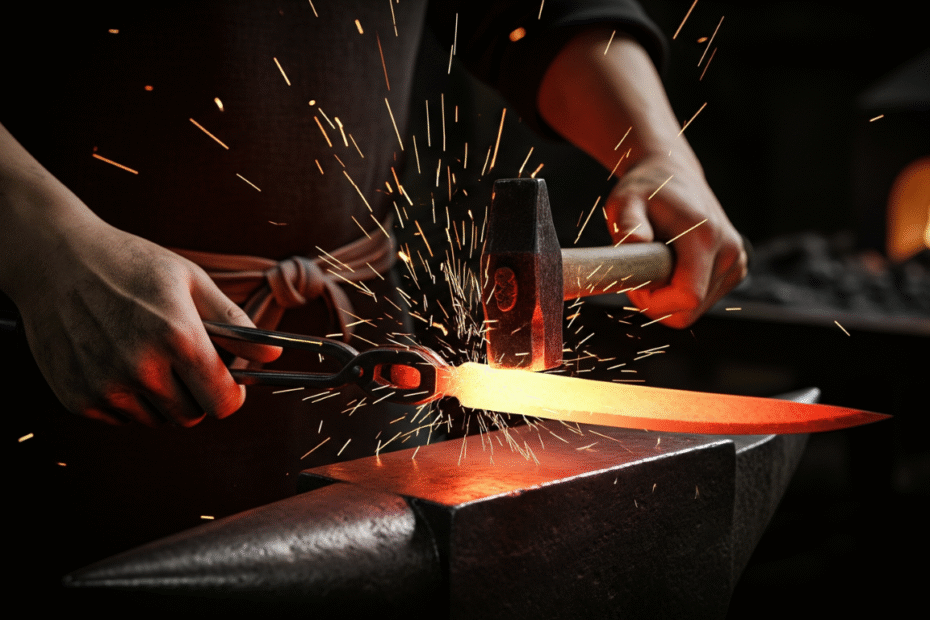
The history of Japanese kitchen knives is closely connected to the country’s long tradition of metalworking and swordmaking. For centuries, Japanese swordsmiths refined methods of forging, heat treatment and sharpening to create blades with carefully balanced properties.
As Japan entered the modern era, the demand for swords declined. The 1876 Haitōrei Edict restricted the public wearing of swords, contributing to a major transformation in the swordmaking trade.
Some workshops adapted their skills to other products, including cutlery. Japanese kitchen knives also developed through regional culinary needs and separate craft traditions. Their story is therefore richer than a simple transformation from samurai sword to chef’s knife.
What endured was the pursuit of precision: a philosophy that values the quality of the finished tool and the skill of the person who uses it.
Three Places Where Japanese Knife Craftsmanship Lives On
Japanese cutlery is not defined by a single city or manufacturing method. Different regions developed distinct specialties, workshops and approaches to production.
Seki — Gifu Prefecture
With a centuries-old blade-making heritage, Seki is one of Japan’s best-known cutlery centers. It combines traditional skills with modern manufacturing and is associated with makers such as Shun, Miyabi, Misono and Masahiro.
Sakai — Osaka Prefecture
Sakai is particularly celebrated for traditional Japanese kitchen knives. Its production culture often involves specialists in forging, sharpening and finishing, with Sakai Takayuki among its internationally recognized names.
Echizen — Fukui Prefecture
Echizen, including the Takefu area, is known for traditional forged blades and contemporary artisans. Knife maker Yu Kurosaki is one of the names associated with the region’s modern reputation.
Other important centers include Tsubame-Sanjo, renowned for metalworking and kitchen tools, and Tosa, known for its forged blade traditions. Artisans and makers such as Yoshimi Kato and MAC also show how diverse Japanese cutlery continues to be.
Which Japanese Kitchen Knife Should You Choose?
Before exploring individual brands, it helps to understand the job each knife is designed to perform. The most expensive or elaborate blade is not automatically the best choice for your kitchen.
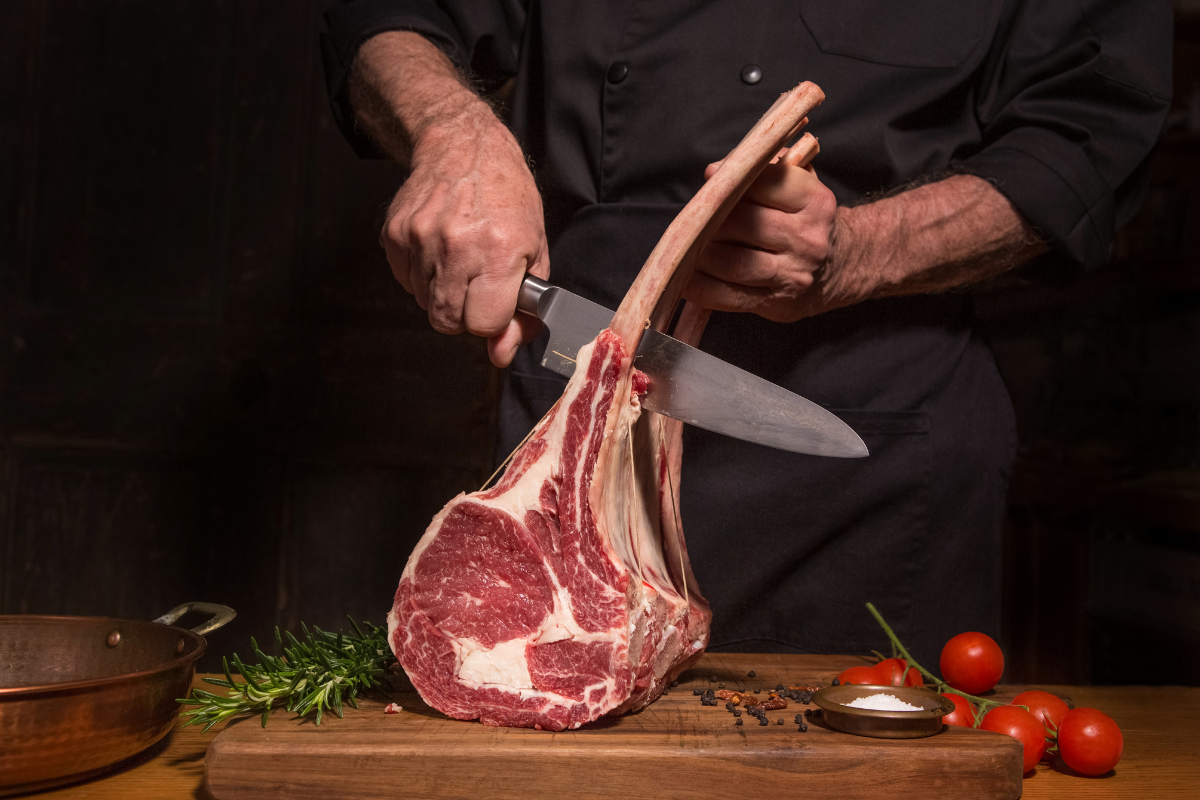
Gyuto — The All-Rounder
BEST FOR: Everyday cookingA versatile Japanese chef’s knife suited to meat, fish and vegetables. For many home cooks, a Gyuto is the most practical first Japanese kitchen knife.
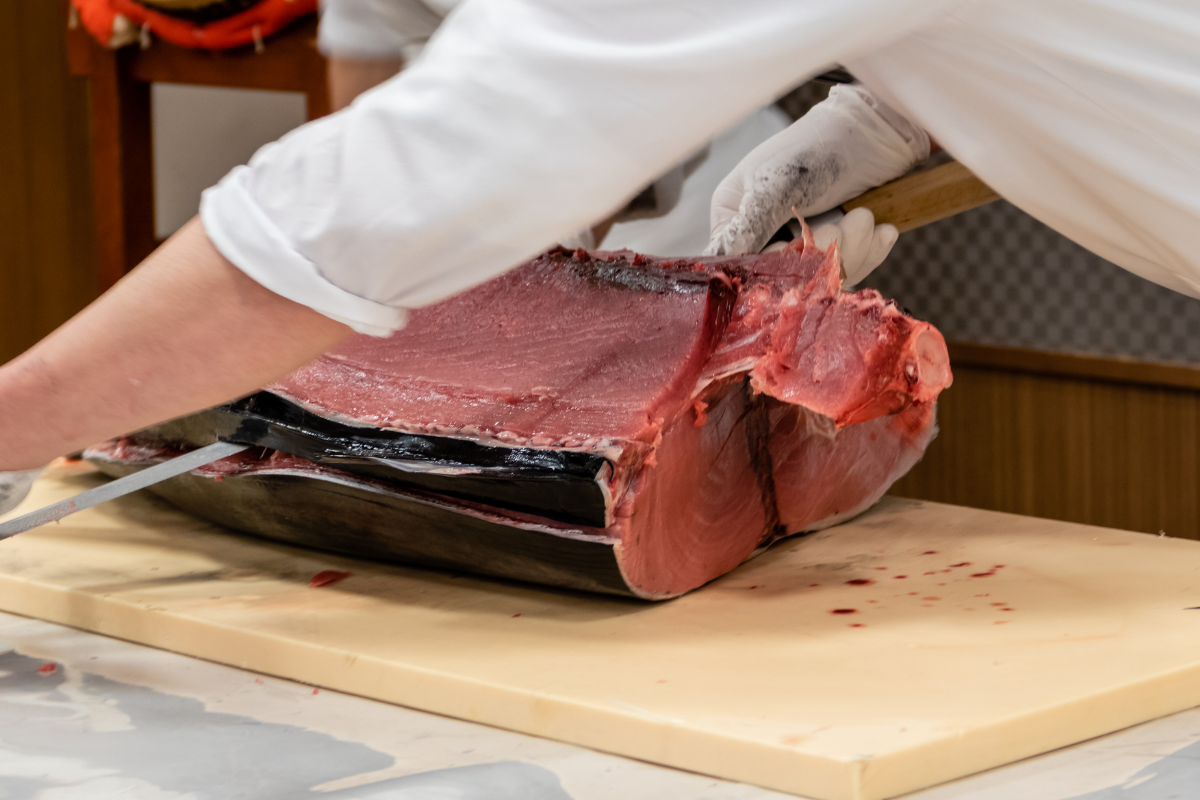
Deba — The Fish Specialist
BEST FOR: Preparing whole fishA relatively thick, heavy knife traditionally used for fish preparation. It requires suitable technique and is not intended as a general-purpose cleaver.
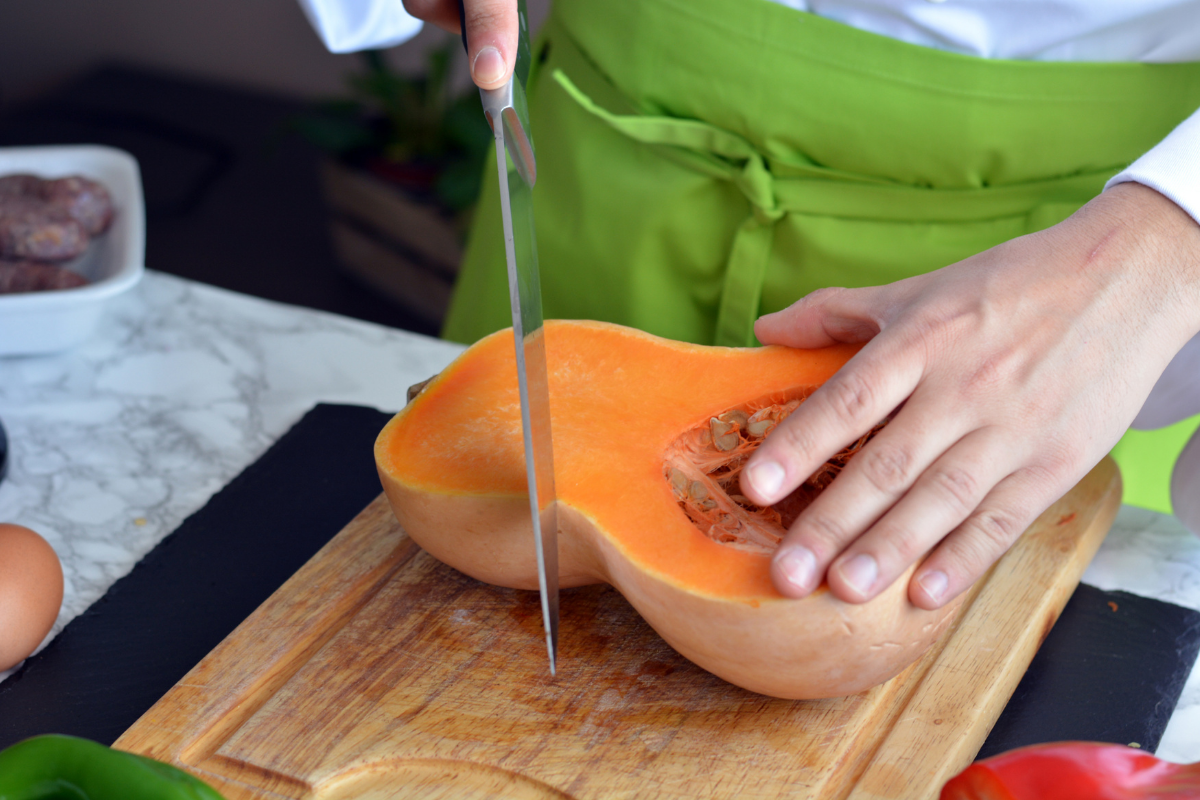
Nakiri — The Vegetable Knife
BEST FOR: Vegetable preparationIts rectangular profile and relatively straight cutting edge make it well suited to controlled vegetable chopping and slicing.
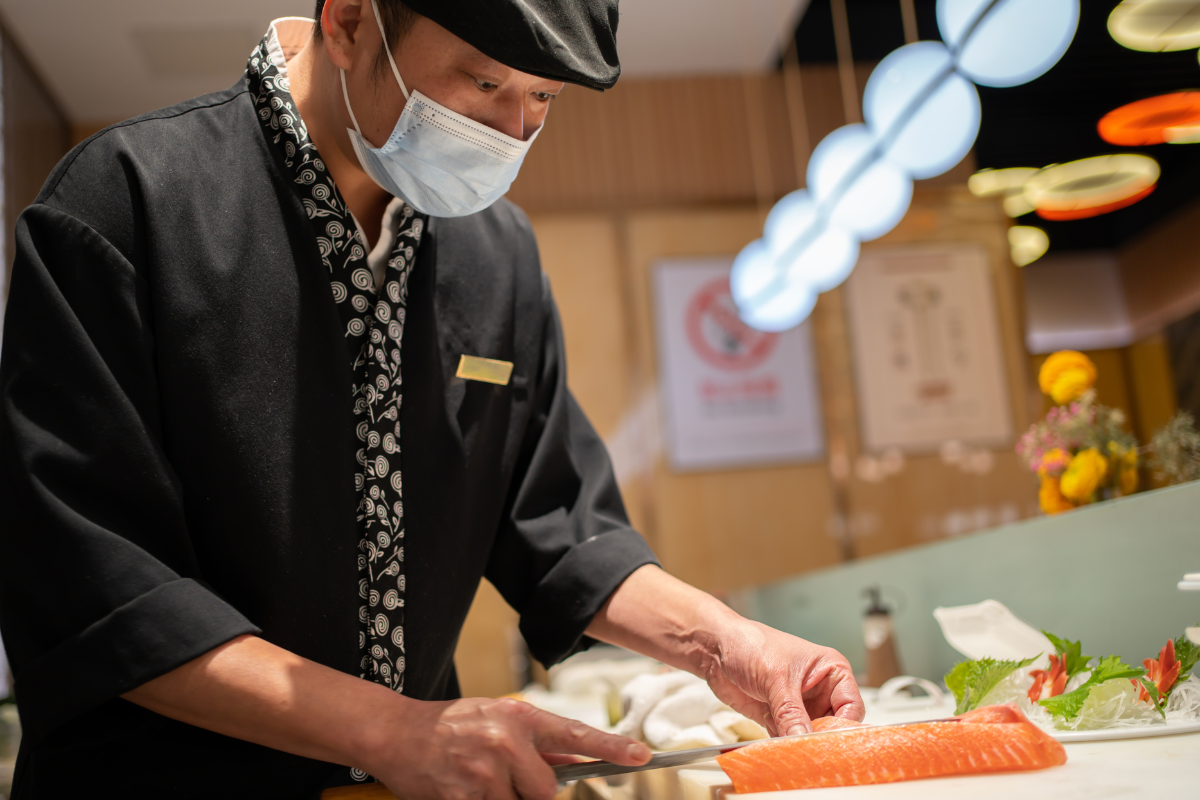
Yanagiba — The Sashimi Knife
BEST FOR: Slicing raw fishA long, traditionally single-bevel blade designed for smooth slicing strokes. It is a specialized knife that benefits from proper sharpening technique.
10 Japanese Knife Makers Worth Knowing
From established professional names to contemporary artisan makers, these ten brands and workshops illustrate the range of Japanese knife craftsmanship.
Rather than treating this list as a universal ranking, use the “Best for” notes to identify makers that match your interests, cooking habits and budget.
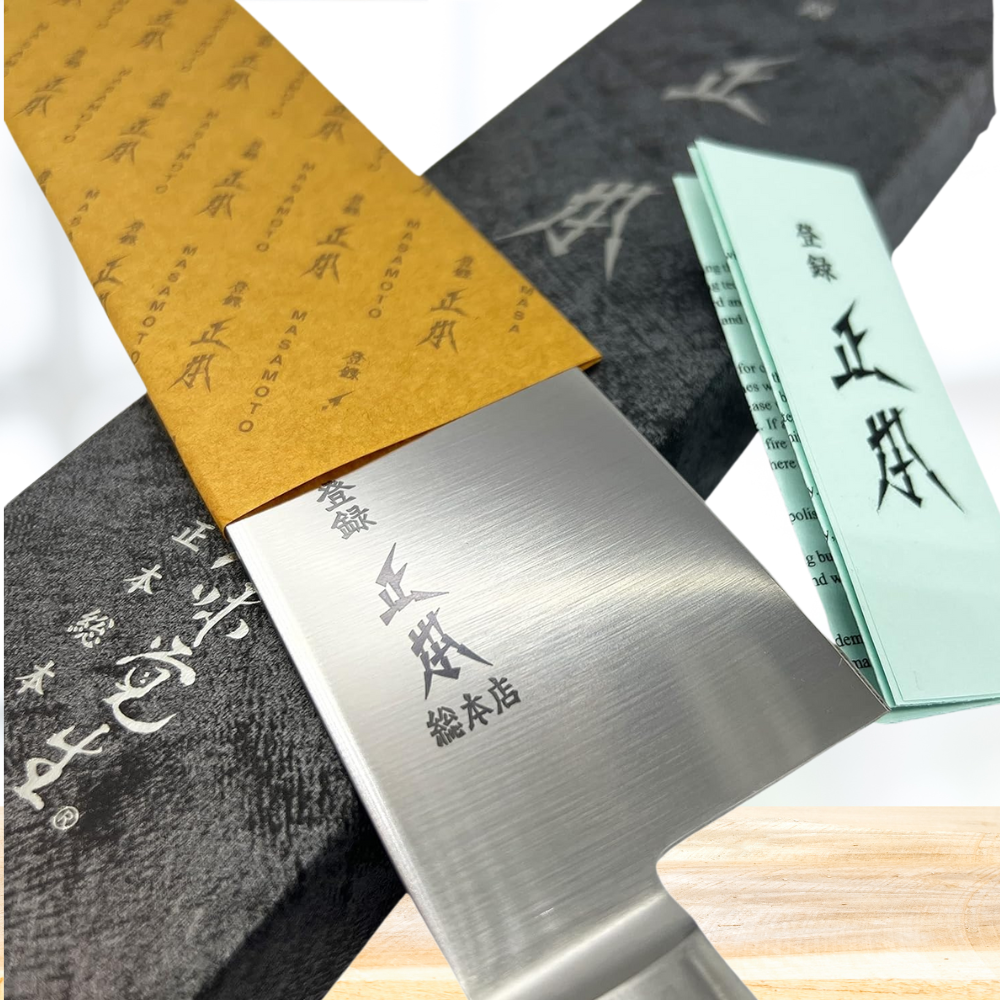
1. Masamoto (正本)
BEST FOR: Traditional Japanese knife enthusiastsMasamoto is a historic name associated with professional Japanese cutlery, particularly traditional knives used in Japanese cuisine. An appealing starting point for cooks interested in established craftsmanship.
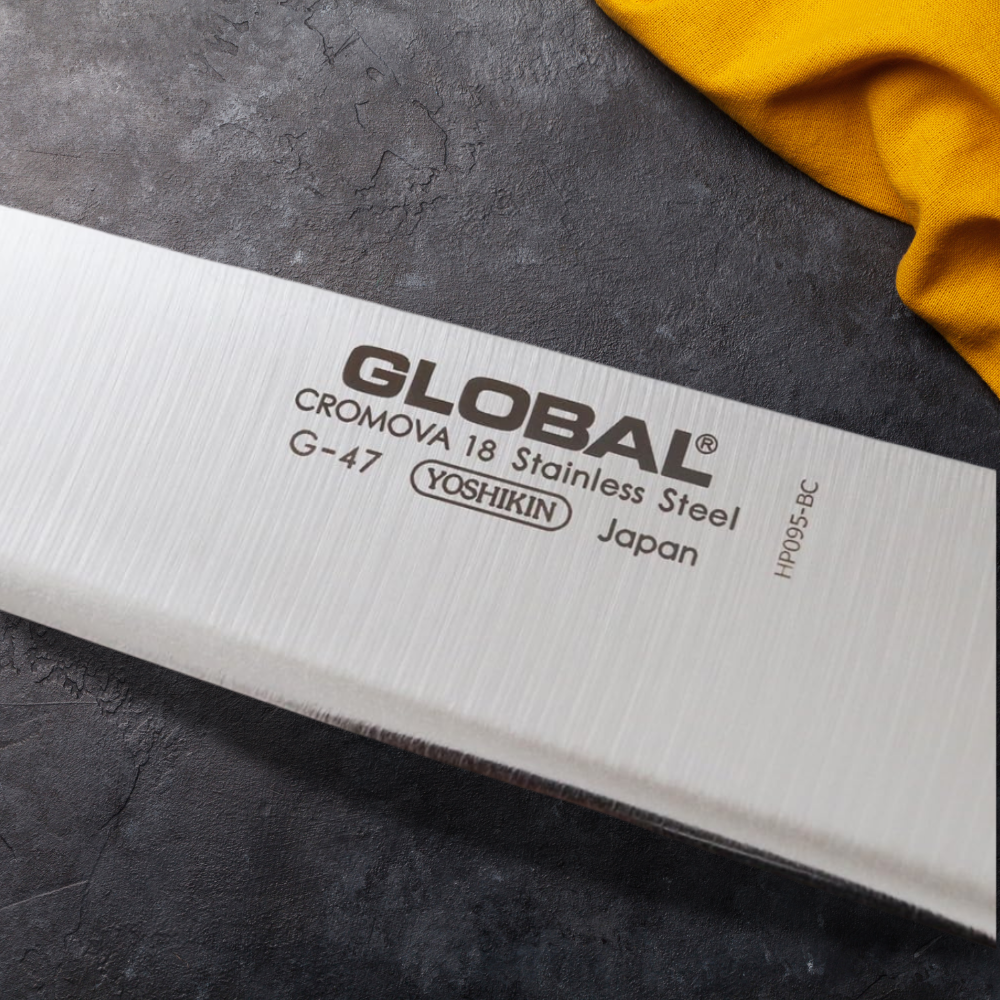
2. Global (グローバル)
BEST FOR: Modern design and everyday versatilityGlobal is recognizable for its distinctive stainless-steel construction and contemporary appearance. Its range appeals to cooks who prefer modern styling and practical kitchen tools.
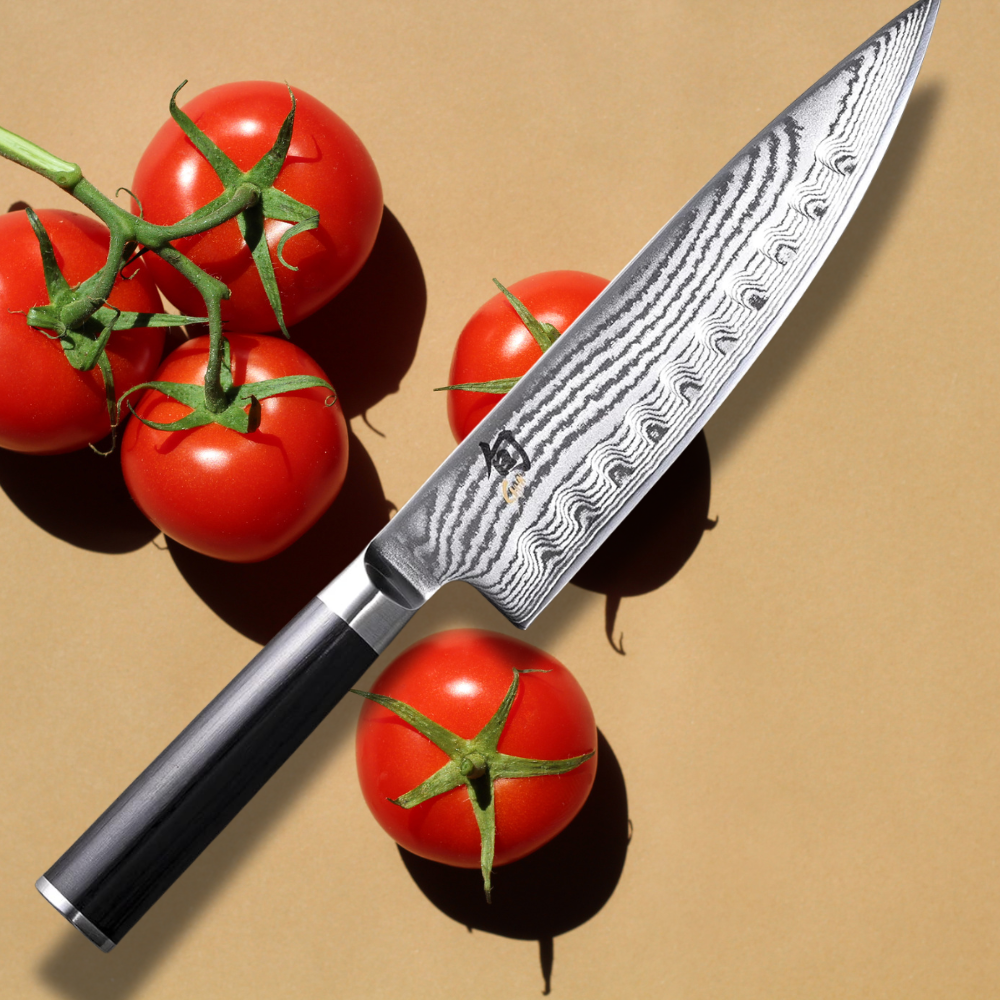
3. Shun (旬)
BEST FOR: Decorative finishes and refined presentationPart of the Kai Group, Shun is known for combining Japanese manufacturing traditions with contemporary designs. Several collections feature layered steel patterns and carefully finished handles.
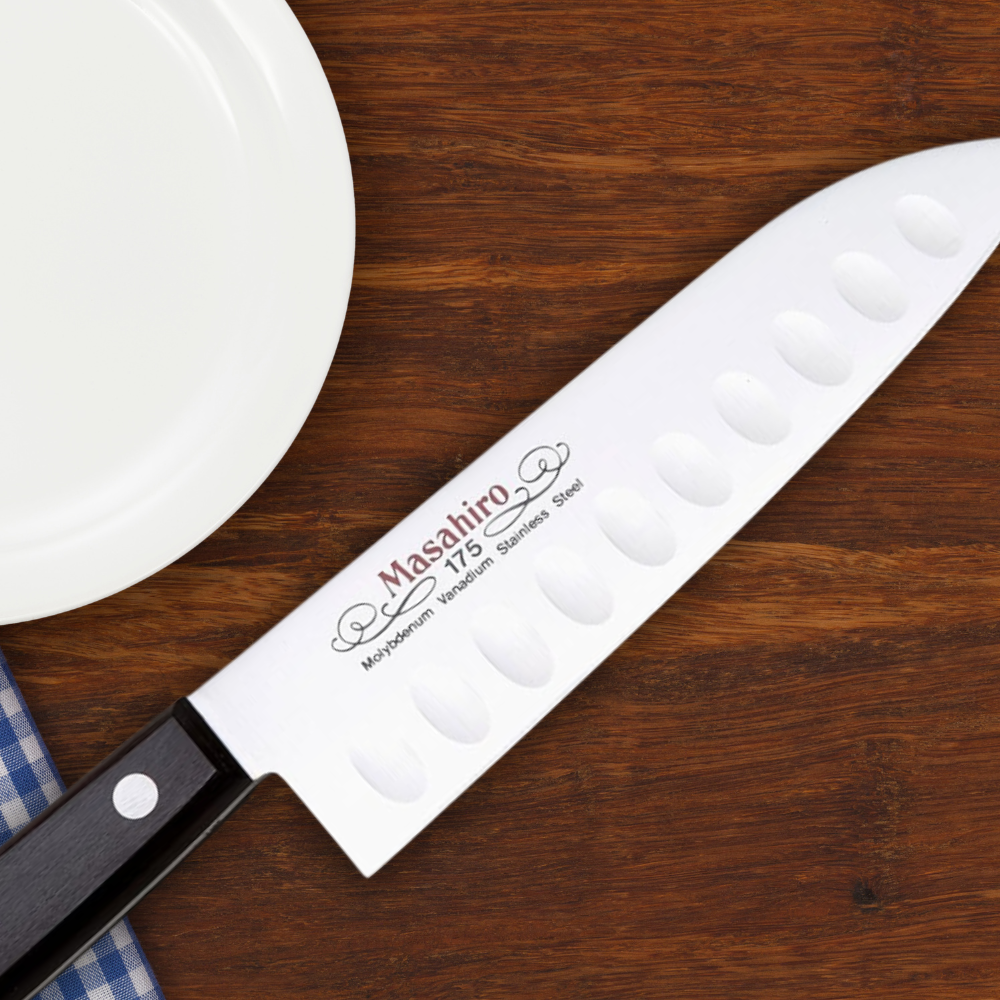
4. Masahiro (正広)
BEST FOR: Practical professional-style knivesBased in Seki, Masahiro offers a broad range of kitchen knives. Its straightforward designs make the brand worth exploring for cooks who prioritize daily use and functionality.
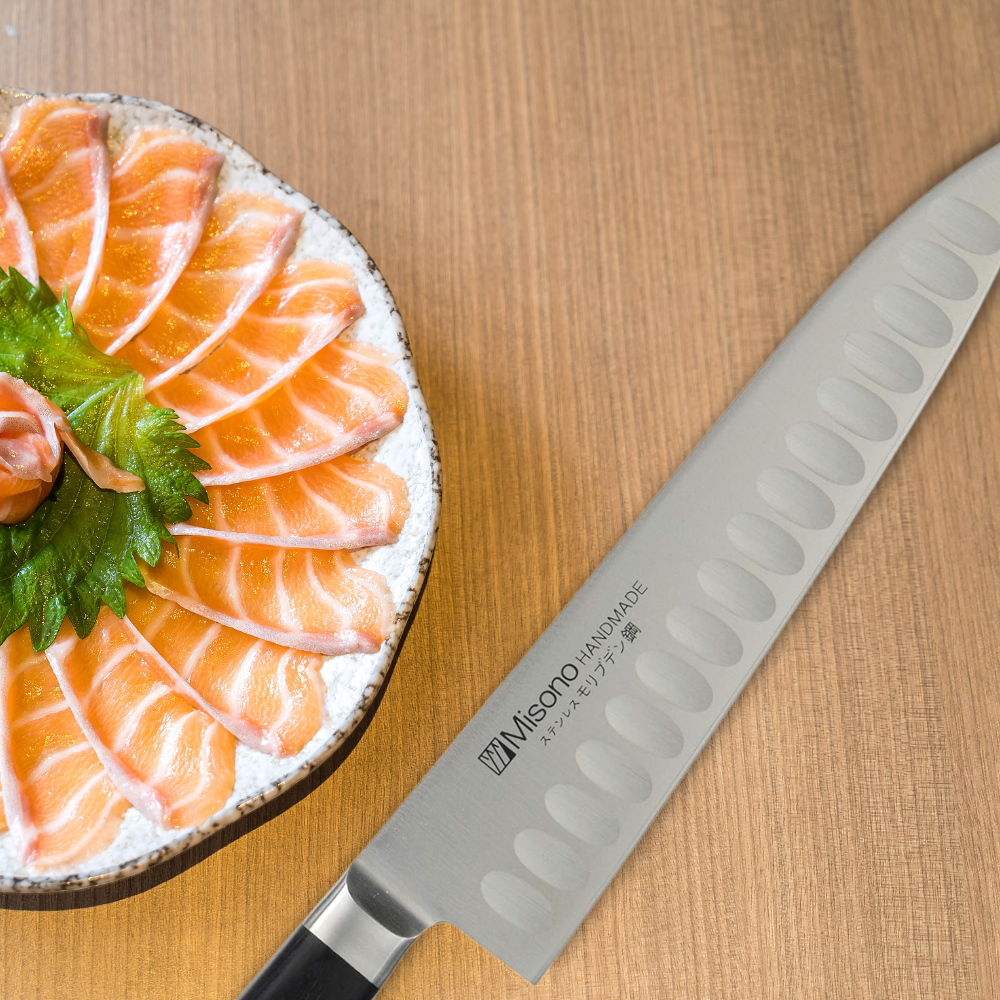
5. Misono (ミソノ)
BEST FOR: Western-style Japanese chef knivesMisono is a Seki-based manufacturer recognized for Western-style kitchen knife designs. Its collections are particularly relevant to cooks who prefer familiar chef-knife profiles.
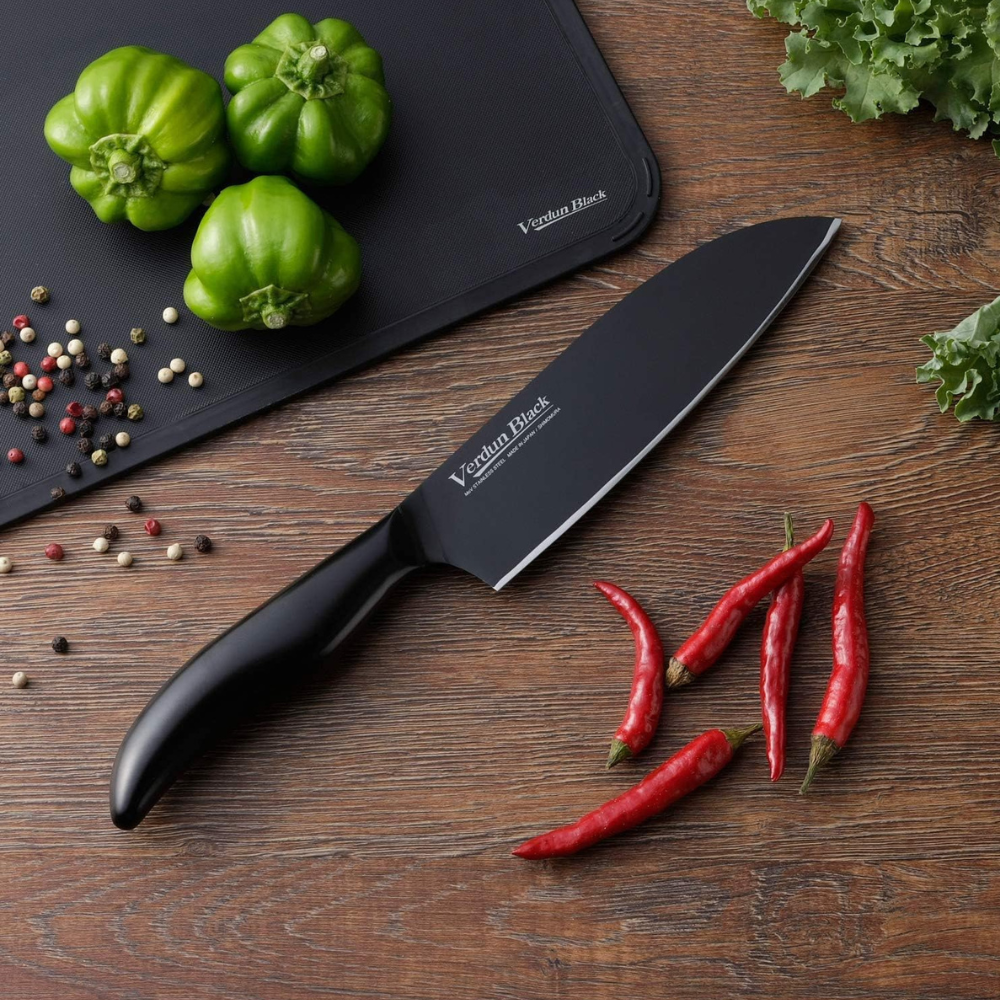
6. Shimomura (下村工業)
BEST FOR: Everyday kitchen equipmentFrom the Tsubame-Sanjo metalworking region, Shimomura manufactures a variety of kitchen tools and knives. A useful brand to investigate when practicality matters more than elaborate finishes.
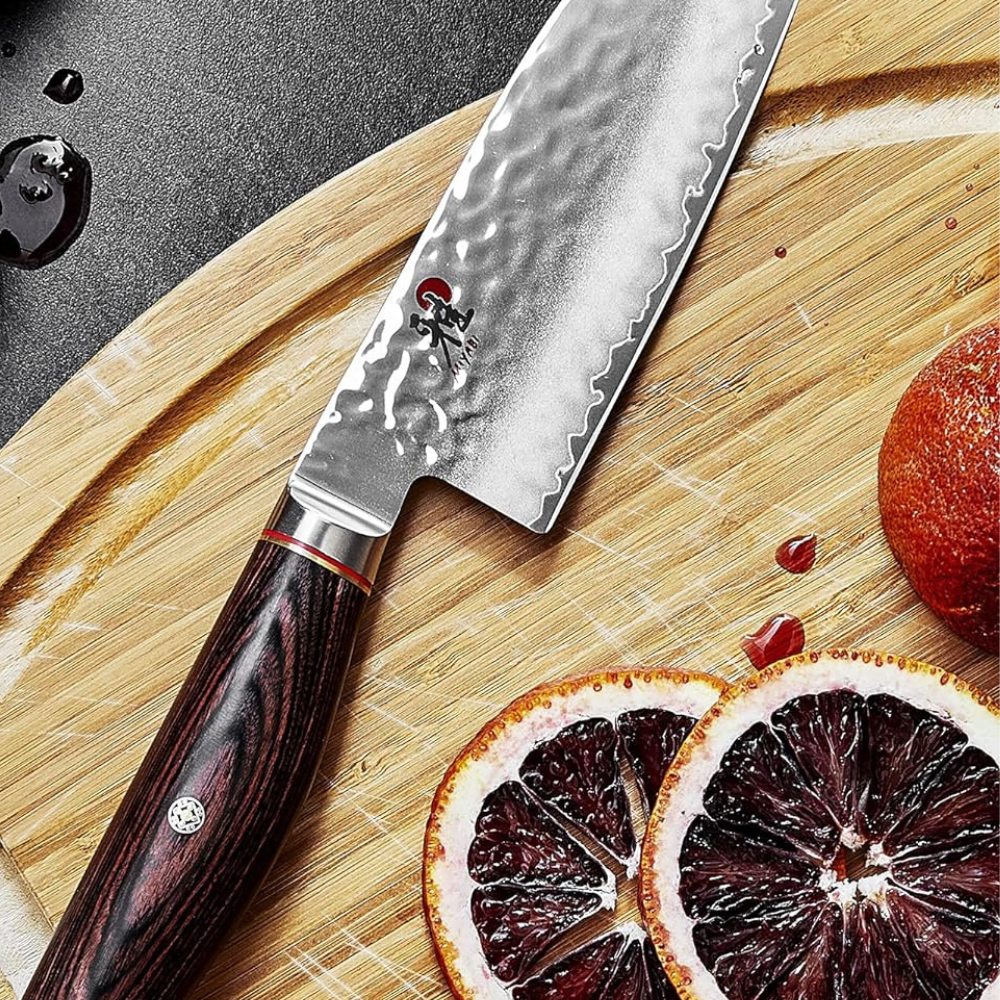
7. Miyabi (雅)
BEST FOR: Premium design and polished finishesMade in Seki and associated with Zwilling, Miyabi combines Japanese production with distinctive design details. Its collections appeal to buyers interested in presentation as well as kitchen performance.
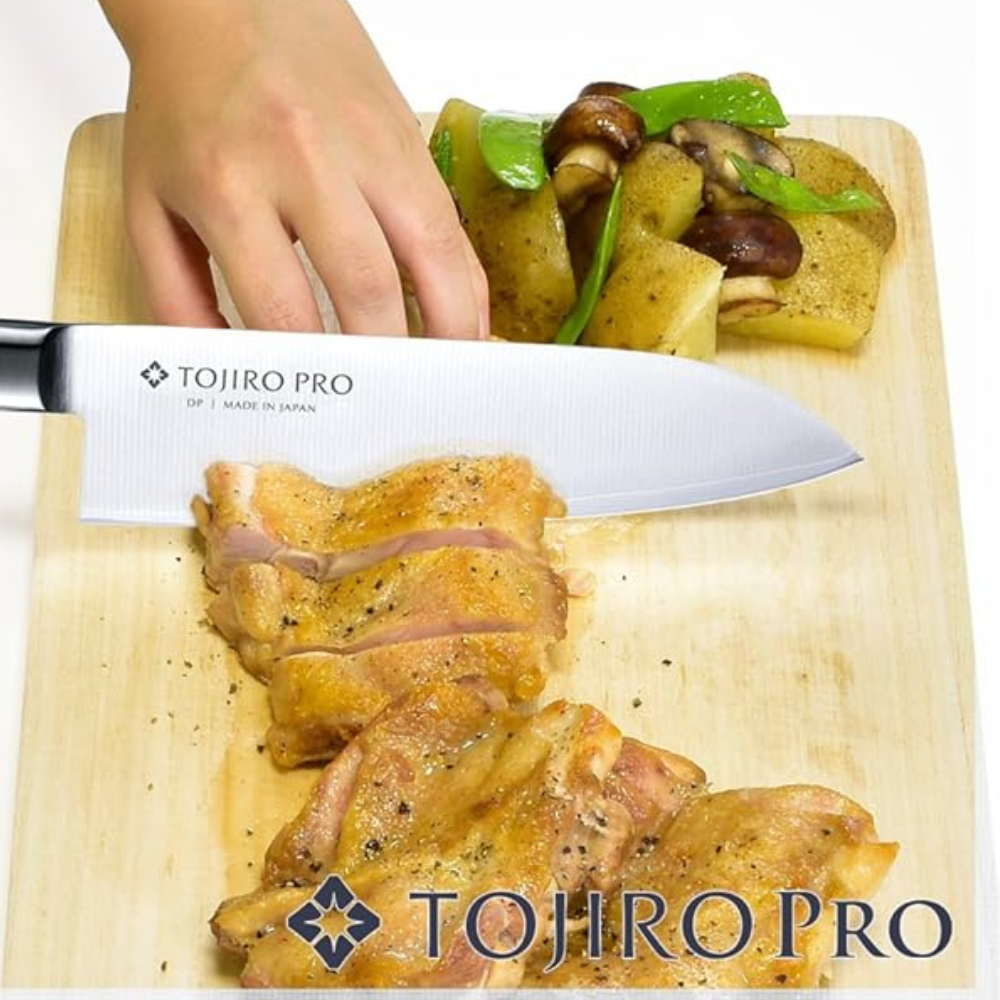
8. Tojiro (藤次郎)
BEST FOR: Exploring practical Japanese knife rangesTojiro is a well-known knife manufacturer from the Tsubame-Sanjo area. Its broad selection includes designs suitable for home kitchens and professional environments.
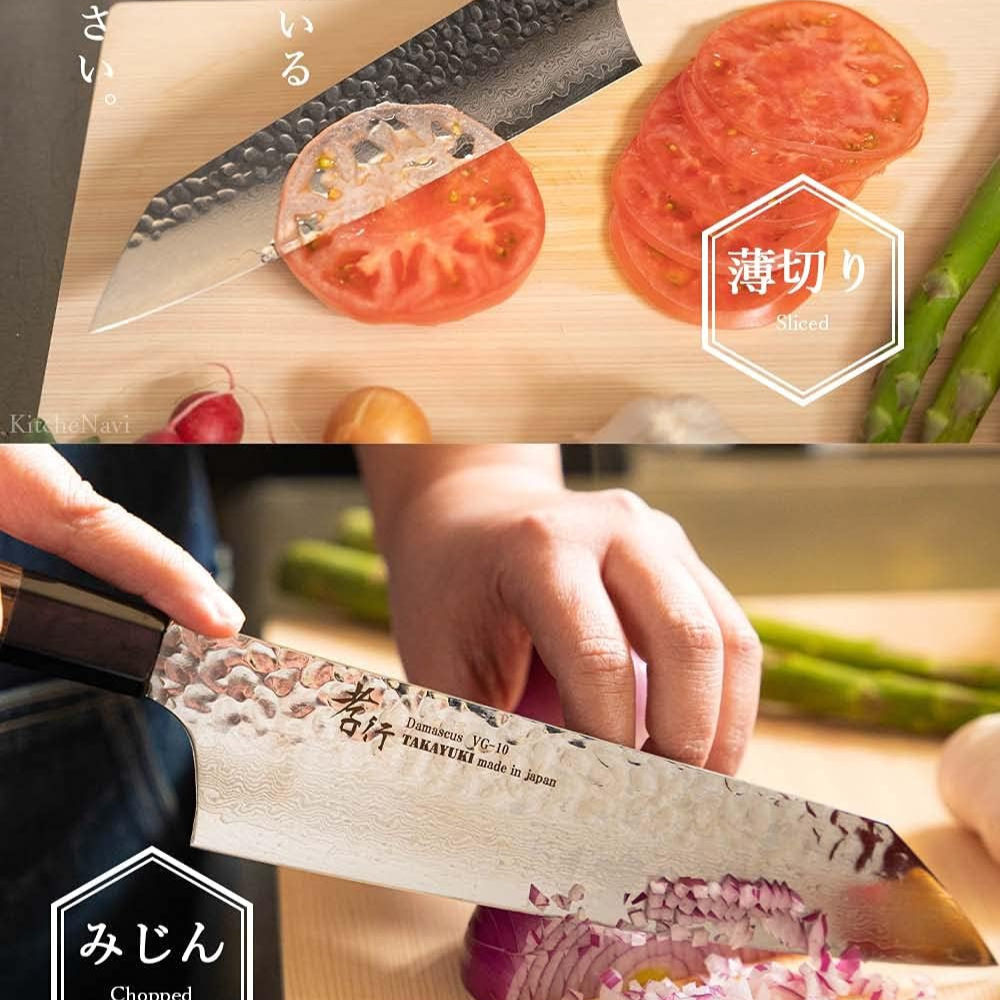
9. Sakai Takayuki (堺孝行)
BEST FOR: Exploring Sakai knife traditionsSakai Takayuki represents the renowned cutlery culture of Sakai, Osaka. Its range includes traditional Japanese knife styles alongside other kitchen designs.
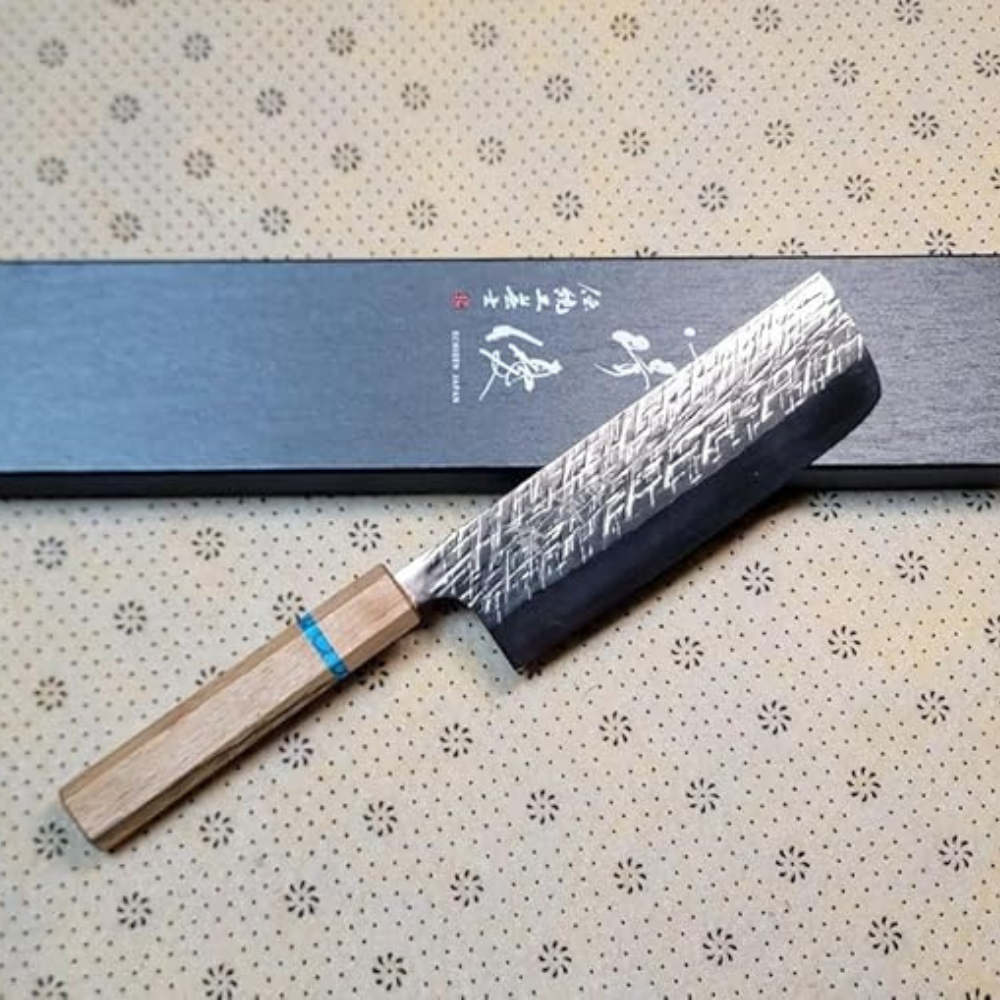
10. Yu Kurosaki (黒崎 優)
BEST FOR: Contemporary artisan craftsmanshipYu Kurosaki is an artisan associated with Echizen. His knives are recognizable for their distinctive surface finishes and contemporary interpretation of traditional blade-making.
The Secret in the Steel: What Makes Japanese Knives Different?
Japanese knives are admired for their variety of blade shapes, steel choices and sharpening traditions. But not all Japanese knives use the same materials, edge angles or manufacturing methods.
Some traditional blades use carbon steels such as Shirogami (White Paper Steel) or Aogami (Blue Paper Steel). Other knives use stainless or semi-stainless alloys designed for different maintenance preferences.
Blade geometry matters as much as the steel itself. A thinner edge can produce precise cuts, but it may also be less tolerant of twisting, hard impacts or unsuitable cutting surfaces.
Likewise, some knives are hand-forged by individual artisans, while others combine skilled hand-finishing with modern manufacturing. Both approaches can produce well-made tools.
The Shokunin spirit is not defined by a decorative finish or a single production method. It is expressed through care, consistency and attention to the intended use.
From Japan to the World’s Great Kitchens
Japanese kitchen knives have influenced cooking far beyond Japan. Their varied blade shapes and precision-focused designs have become familiar in professional and home kitchens worldwide.
Chefs such as Nobu Matsuhisa helped introduce international audiences to the relationship between Japanese culinary techniques and other food traditions.
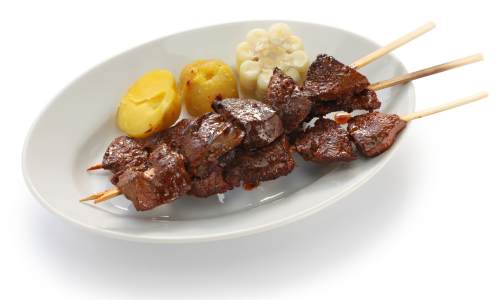
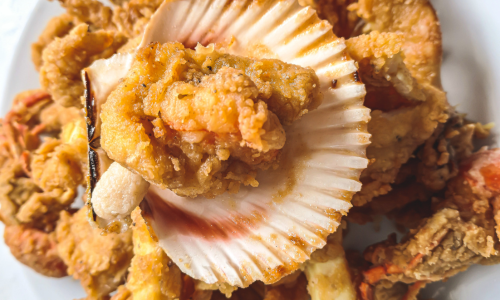
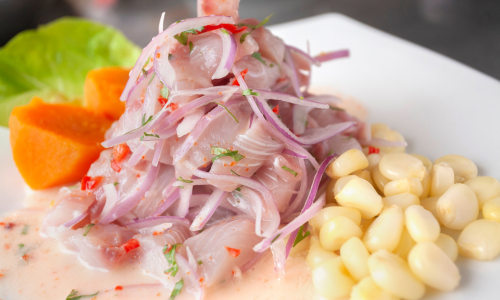
The story is especially interesting in Peru, where Nikkei cuisine reflects generations of Japanese-Peruvian cultural exchange.
Restaurants such as Central and Maido have helped bring global attention to Peruvian gastronomy, although their achievements cannot be attributed to any single knife brand or tool.
The deeper connection is the importance of technique: a skilled cook understands not only what a tool can do, but also when and why to use it.
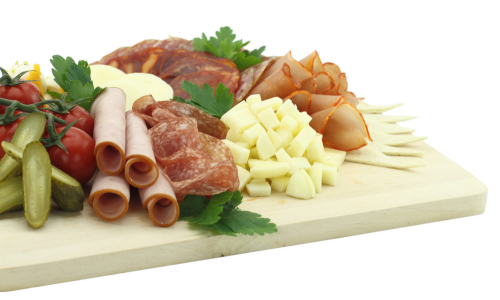
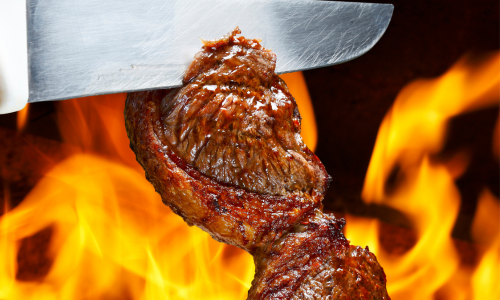
Explore the original culinary photo galleries
Images from the original article, preserved as part of its international culinary story.
Japanese Knives and Global Culinary Culture
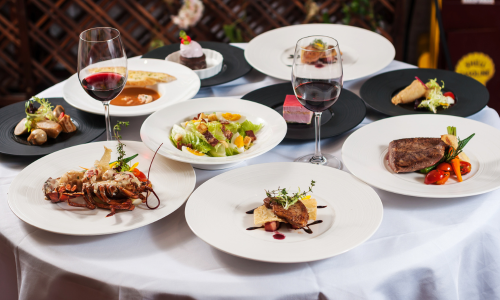
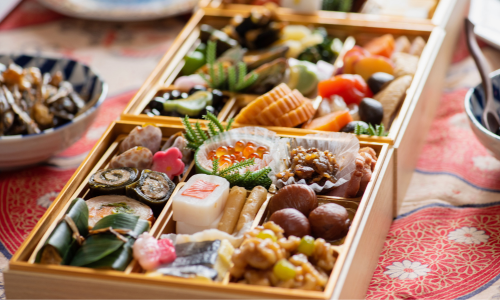
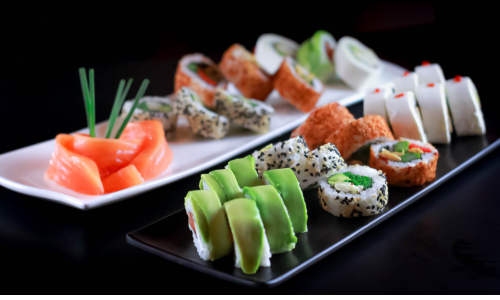
Peruvian Gastronomy and Nikkei Influences
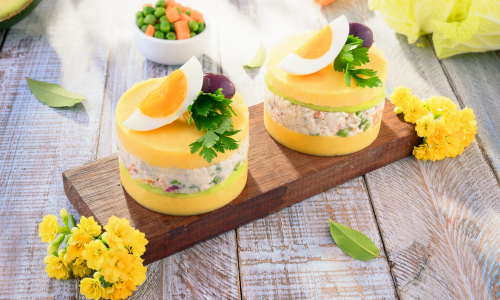
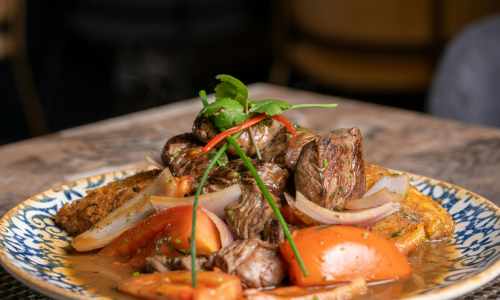
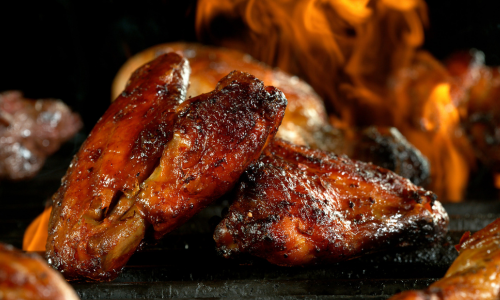
Conclusion: The Craft Behind Every Cut
From the workshops of Seki, Sakai and Echizen to kitchens around the world, Japanese knives tell a story of craftsmanship, adaptation and thoughtful design.
The right knife is not necessarily the most expensive, the most ornate or the most famous. It is the one that suits the cook, the task and the care its owner is prepared to give it.
That may be the most enduring lesson of Shokunin: mastery begins with respect for the craft and grows through practice.
Keep Exploring the Spirit of Japan
Japanese craftsmanship is only one way to discover the country’s cultural depth. From historic neighborhoods to regional traditions, there is much more waiting beyond the kitchen.
Discover 10 Remarkable Places in Japan Explore destinations where history, regional culture and modern Japan come together.