Introduction
Japan is often seen as an expensive country, but the truth is that with proper planning and realistic expectations, travelers can enjoy a full cultural experience without breaking the bank. This guide is not a bulletin or a dry index of prices; it is a practical roadmap for planning your trip. It explores how the choice of season, transportation, accommodation, and spending style can completely change the budget. Finally, it offers several ready-made travel plan scenarios, from low-cost minimal trips to more comfortable or guided tours.
1. Understanding the Impact of Seasons
The time of year you choose to visit Japan is the single most important factor affecting your travel budget. Prices for flights and accommodation rise and fall dramatically depending on the season, and crowd levels can shape your entire experience.
- Spring (March–April): Mild temperatures, cherry blossoms (sakura), and hanami picnics make this the most famous season. But it is also the most expensive: hotels and transport are heavily booked, and crowd density is extreme. Golden Week in late April and early May should be avoided unless you are prepared for premium prices.
- Summer (June–August): Hot, humid, and rainy in June, with typhoon risks in September. However, summer brings spectacular matsuri (festivals) and fireworks. Domestic travel peaks in mid-August during the Obon holidays, but international flights can sometimes be cheaper depending on origin.
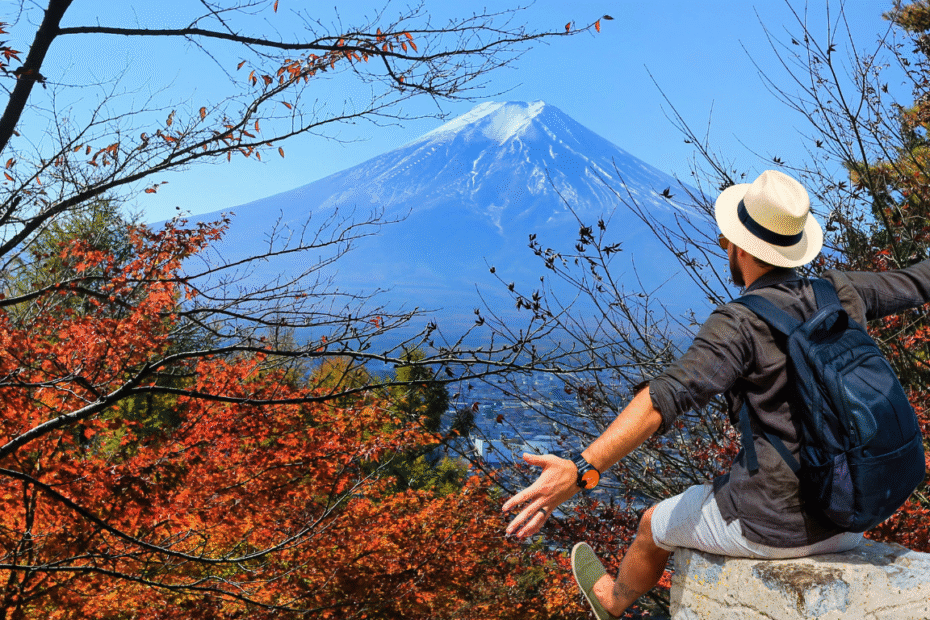
- Autumn (October–November): The best balance of climate and price. Cool, stable weather, fewer crowds than spring, and breathtaking autumn foliage known as momiji (Japanese maple leaves turning red and gold).
- Winter (January–February): The cheapest season overall. Flights and hotels drop sharply after New Year holidays. Cold weather and shorter days, but fewer tourists and excellent opportunities for skiing in Hokkaido or enjoying hot springs in snowy landscapes.
Practical tip: Instead of looking for a single “low season,” focus on shoulder months such as late May, early September, or early December. These periods combine reasonable prices with a manageable climate and smaller crowds.
| Season | Weather | Prices | Crowds | Highlights |
|---|---|---|---|---|
| Spring (Mar–Apr) | Mild, comfortable | Very high | Extremely crowded | Cherry blossoms (sakura), hanami picnics |
| Summer (Jun–Aug) | Hot, humid; rainy June; early-Sep typhoons | Mixed (August peaks) | High in August | Festivals (matsuri), fireworks, Obon |
| Autumn (Oct–Nov) | Cool, stable | Reasonable | Moderate | Momiji (autumn maple foliage, red & gold leaves) |
| Winter (Jan–Feb) | Cold, shorter days | Lowest of the year | Low | Skiing in Hokkaido, snow festivals, quiet temples |
2. Key Spending Categories
2.1 Flights
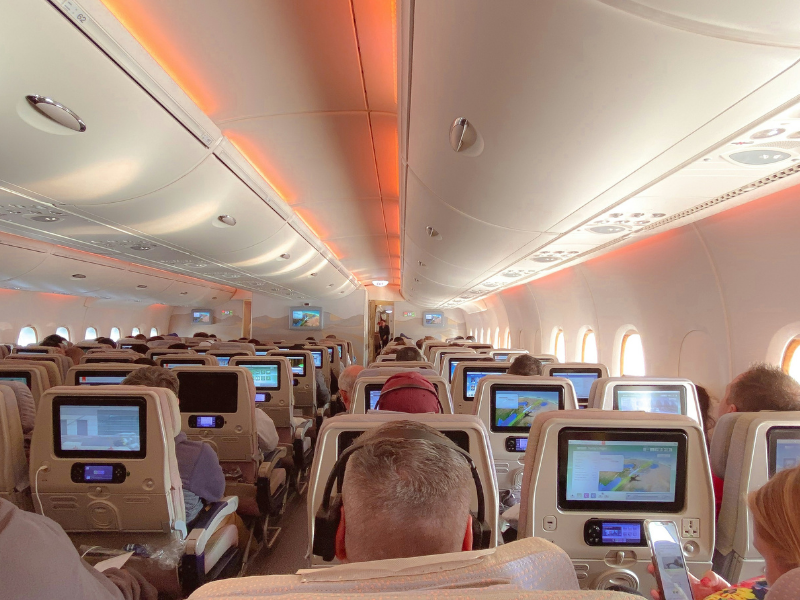
Airfare is usually the largest cost. Prices vary by departure country:
- From the U.S., round trips range from $250 (rare sales with LCCs like ZIPAIR) to over $1,200 in peak spring.
- From Europe, tickets usually range from €500 to €1,000.
Flexibility is the strongest savings strategy. Being willing to skip cherry blossom season can save hundreds of dollars, which can be redirected into longer stays or cultural experiences.
2.2 Accommodation
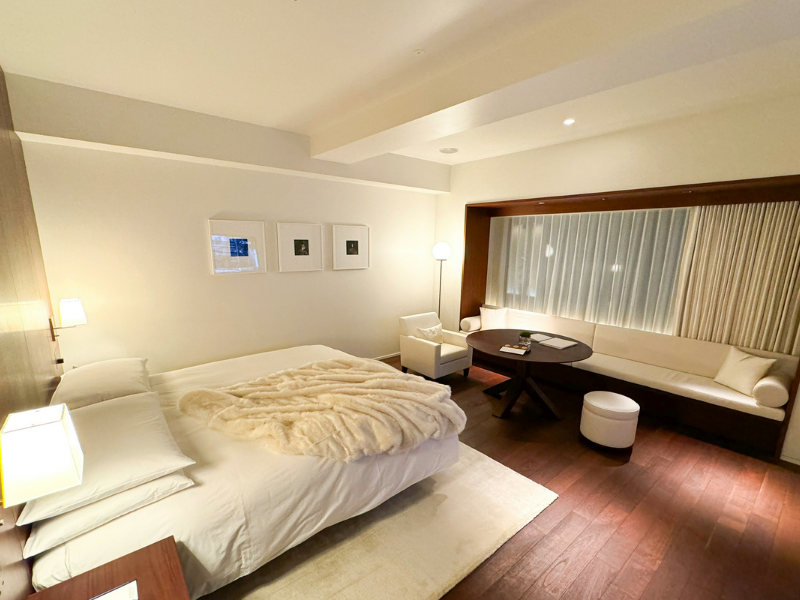
Japan offers everything from capsule hotels to five-star luxury ryokans. For budget travelers, the key is value, not the lowest number.
- Hostels and guesthouses: from $18 per night. Ideal for solo travelers.
- Capsule hotels: $15–35 per night, a uniquely Japanese experience.
- Business hotels: $40–70 per night. Small rooms but clean, convenient, and often located near major train stations. This category represents the best balance between cost and comfort.
Prices are influenced not only by the season but also by location (central Tokyo vs. suburban areas) and by weekdays vs. weekends.
2.3 Domestic Transport
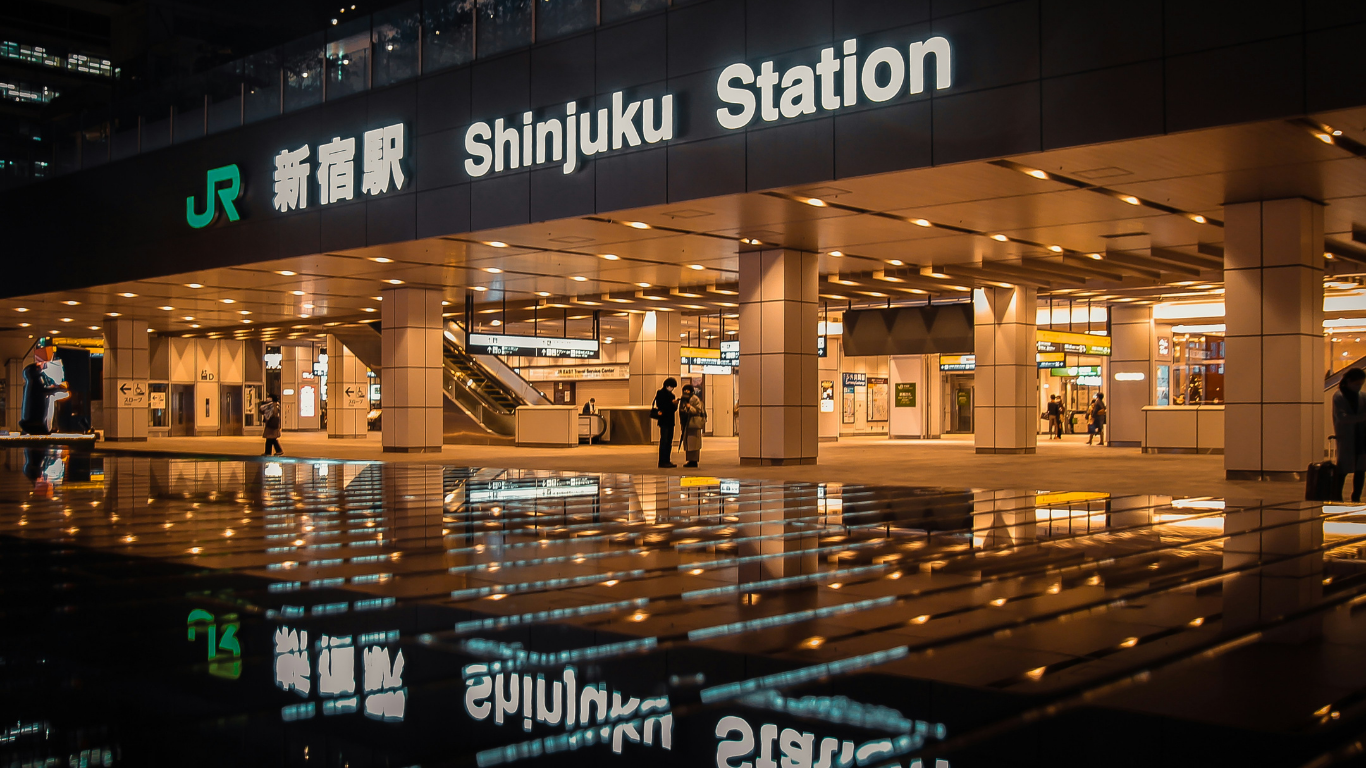
Your transport strategy defines the rhythm of your trip.
- JR Pass: Expensive but worthwhile if you plan to move across the country quickly. A 7-day pass now costs around ¥50,000 (~€320). Just one round trip Tokyo–Kyoto already covers most of this cost.
- Regional passes: Cheaper alternatives if you focus on Kansai (Kyoto, Osaka, Nara) or Kanto (Tokyo, Yokohama, Nikko).
- Night buses: The ultimate budget option. They cost a fraction of a Shinkansen ticket and save one night of accommodation.
- City passes and IC cards: Metro day passes in Tokyo or Osaka start at ¥800 for 24 hours. IC cards like Suica and Pasmo allow pay-as-you-go travel.
2.4 Food
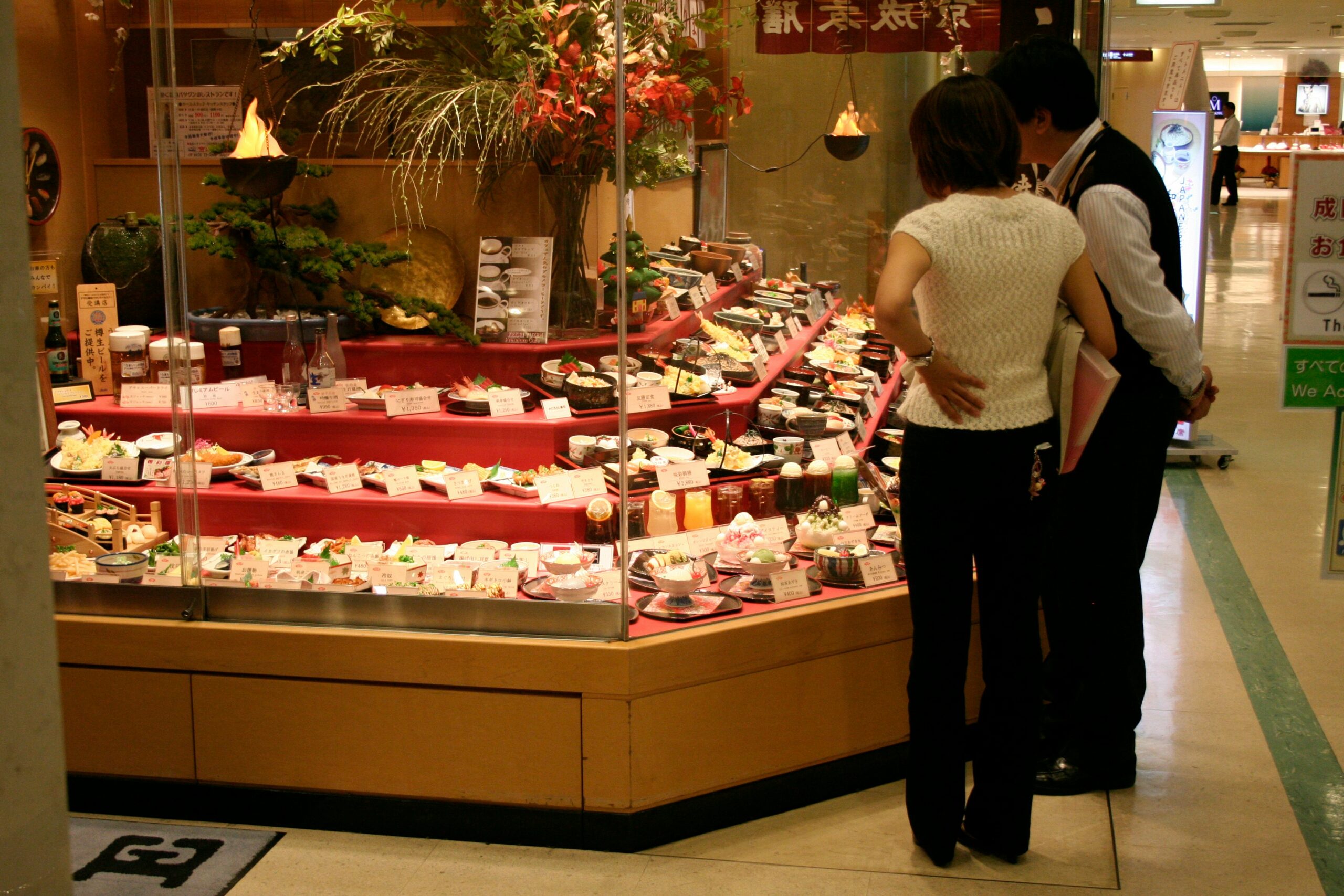
Japan is a paradise for budget eating.
- Convenience stores (konbini): Bento boxes and snacks for $3–6. Discounts apply after 7 PM in supermarkets.
- Chain restaurants: Gyudon bowls (beef over rice) for ¥400–600.
- Family restaurants: Full meals for around ¥1,000.
- Occasional splurge: A Michelin-rated ramen shop costs only ¥1,300. Balancing cheap meals with one or two premium experiences maximizes cultural immersion.
2.5 Souvenirs and Free Activities
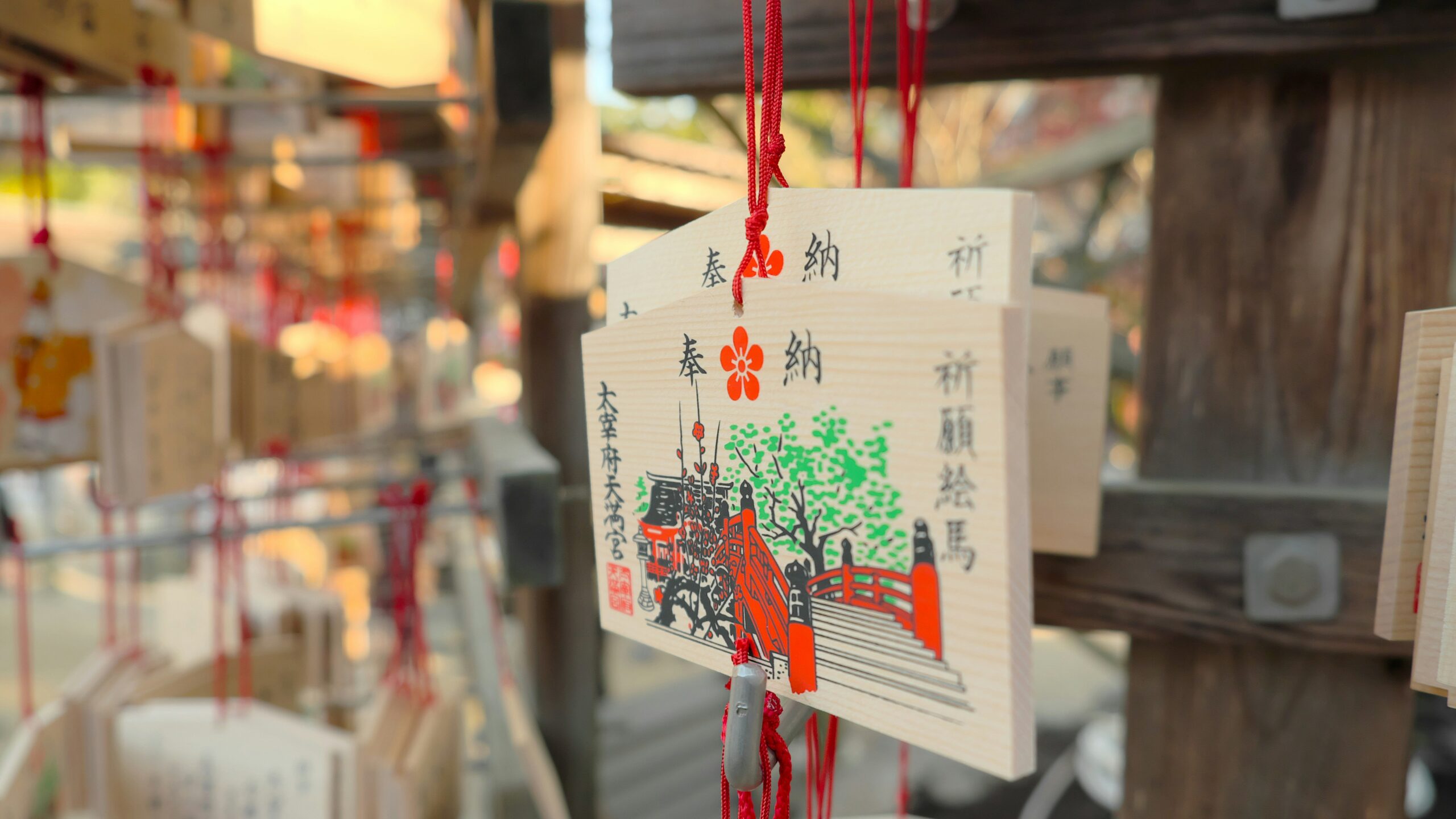
- Souvenirs: Daiso (100-yen shops) offers countless authentic items for just ¥100 each. Ideal for gifts without draining your budget.
- Free attractions: Temples like Sensoji in Tokyo, Meiji Shrine, Shibuya Crossing, or the free observatory at the Tokyo Metropolitan Government Building provide iconic experiences at zero cost.
3. Five Sample Low-Investment Packages
Package 1: Winter Minimalist (10 days, Tokyo only)
- Focus: cheapest season, one city to avoid intercity transport.
- Estimated budget (excluding flights): ~¥65,000 ($430 / €400).
- Strategy: stay in capsules or hostels, use metro passes, eat mostly konbini food, enjoy free sights.
Package 2: Autumn Balance (14 days, Kansai region)
- Focus: shoulder season, moderate prices, autumn foliage.
- Cities: Kyoto, Osaka, Nara.
- Estimated budget: ~¥111,000 ($740 / €690).
- Strategy: business hotels, regional train tickets, combine temples with free walking tours.
Package 3: Slow Exploration (14 days, Tokyo + Kansai via night bus)
- Focus: immersion and savings on transport.
- Estimated budget: ~¥111,500 ($745 / €690)
- Transport: use 24–72 hour subway tickets or IC cards like Suica and Pasmo for city travel, depending on your itinerary.
- Food: mix convenience store meals (konbini) with discounted supermarket bentos after 7–8 PM, which often cost the same or less and offer more variety.
- Free Attractions: Tokyo and other Japanese cities are full of no-cost highlights:
- Tokyo Metropolitan Government Building Observatory (Shinjuku) – free skyline view.
- Meiji Jingu Shrine – vast forested grounds in the heart of Tokyo.
- Sensoji Temple (Asakusa) – iconic pagoda and market streets.
- Shibuya Crossing – the most famous pedestrian scramble in the world.
- Ueno Park – museums (entry fees vary) but the park itself is free, ideal in cherry blossom season.
- Street neighborhoods like Harajuku, Akihabara, or Yanaka, where walking itself is the attraction.
Package 4: City Sprint (7 days, Tokyo only)
- Focus: short stay, maximize metro passes.
- Estimated budget: ~¥62,000 ($414 / €384).
- Strategy: spend less on transport, allocate more for experiences inside Tokyo.
Package 5: Summer Festival Explorer (10 days, Tokyo + Kansai)
- Focus: matsuri season, fireworks, cultural immersion.
- Estimated budget: ~¥100,000 ($670 / €620).
- Strategy: reserve early, accept hot weather, spend on festival experiences.
| Package | Days | Main Cities | Total (JPY) | USD (approx) | EUR (approx) |
|---|---|---|---|---|---|
| Winter Saver | 10 | Tokyo | ¥72,000 | ~$480 | ~€450 |
| Autumn Momiji | 14 | Osaka–Kyoto–Nara | ¥121,000 | ~$807 | ~€756 |
| Slow Travel | 14 | Tokyo + Kansai (night bus) | ¥121,500 | ~$810 | ~€759 |
| Tokyo Blitz | 7 | Tokyo | ¥67,000 | ~$447 | ~€419 |
| Summer Festivals | 10 | Tokyo + Kansai | ¥108,000 | ~$720 | ~€675 |
Note: These totals are land-only (accommodation, local transport, food, small extras). Add your real airfare to compare against flight-included package tours.
4. Independent vs. Package Tours – Honest Comparison
- Independent, medium budget: €1,500–3,000. High flexibility, better value for money. Requires more planning.
- Independent, luxury: €3,000–5,000+. Full customization, top hotels and Michelin dining. Costs can scale endlessly.
- Package base–medium: €1,500–4,000+. Fixed price, less stress, guided tours included. Less flexibility, often not “all inclusive.”
- Package premium: €3,000–6,000+. Luxury hotels, private transfers, curated experiences. Very high cost, group rhythm.
Rule of thumb: If you enjoy adjusting your trip daily, go independent. If you prefer zero stress, choose a package.
| Scenario | Typical 10–14d Cost | Advantages | Disadvantages |
|---|---|---|---|
| Independent (budget) | €1,500–€2,200 (land + flights) | Cheapest if planned well; flexible; immersive | Requires research; must decide JR Pass vs regional passes |
| Independent (luxury) | €3,000–€5,000+ | Total personalization; premium hotels & dining | High cost; complex logistics if moving a lot |
| Package (base–mid) | €1,500–€4,000+ | Flights & hotels included; reduced planning; guided days | Less flexibility; not all meals/entries included |
| Package (premium) | €3,000–€6,000+ | High-end service; curated experiences; easy logistics | High price; group pace may feel rushed |
5. Tips to Save Money in 2025
- Use low-cost airlines (ZIPAIR, Jetstar, Peach) for cheaper international or domestic flights.
- Shop for small gifts at Daiso 100-yen stores.
- Take night buses to save transport and hotel costs.
- Book hotels near stations — saving time is saving money.
- Always calculate “land-only” totals before comparing with package tours.
Recommended Global Flight Booking Partners
When planning a trip to Japan, the airfare often represents the single most significant factor in the total budget. For travelers who prefer to organize their journey independently, we recommend using internationally established booking platforms with reliable customer support and transparent payment options. We feature Gotogate, FlightNetwork, and MyTrip as trusted partners offering broad global coverage, secure transactions, and competitive routes for travelers flying to Japan and other destinations worldwide.

Gotogate
Competitive fares to Japan and worldwide with a clean checkout and secure payment flow. Flexible options for one-way, return, or multi-city trips, plus reliable support when plans change. Helpful alerts and filters make it easy to lock good deals quickly and travel with confidence.
Book with Gotogate →
FlightNetwork
Transparent pricing and robust multi-city search with responsive English-language support. Excellent for complex itineraries and fare monitoring to lock good prices before they move. Their smart tools help travelers compare routes quickly to find the most cost-efficient flights.
Book with FlightNetwork →
MyTrip
User-friendly booking with clear payment methods in multiple currencies. Great for international connections across Asia and beyond, with straightforward policies and smooth customer service. Simple tools help compare schedules and finalize tickets without hassle.
Book with MyTrip →Final Reflections
Traveling to Japan on a minimal budget does not mean missing out. By choosing the right season, focusing your itinerary, and mixing low-cost daily strategies with occasional splurges, you can have a complete and authentic Japanese experience.
Japan rewards smart planning: the less you overspend on logistics, the more you can invest in the moments that truly matter — a quiet temple in Kyoto, a summer festival in Osaka, or watching the first snowfall in Hokkaido.