
DISCOVER JAPAN SITES AI
Ask in your language. Get answers with context, not just keywords.
Welcome. What would you like to know?
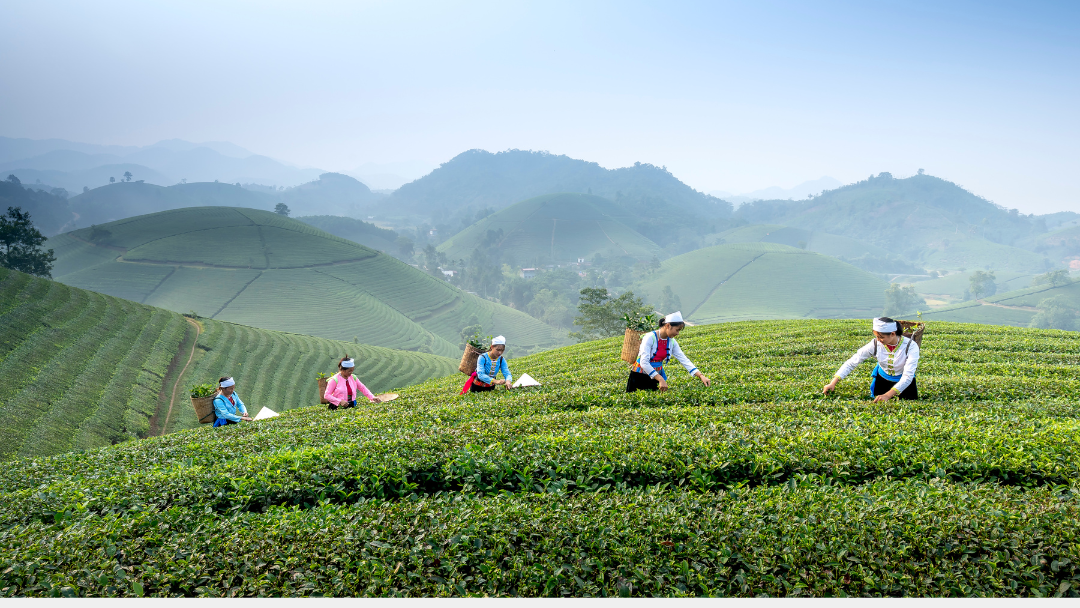
Updated October 2026: This original 2024 guide has been reviewed to distinguish Japanese cultural tradition from medical claims, incorporate scientific research on matcha’s composition and potential effects, clarify the role of caffeine, and improve the presentation of its photographs and culinary examples. The original cultural focus, historical images, and gastronomic content have been preserved.
Matcha: A Japanese Tradition That Conquered the World
Matcha is much more than a green beverage that has become popular in cafés and on social media.
Behind its intense color, distinctive texture, and flavor lies a long Japanese tradition connecting tea cultivation, artisanal preparation, and a particular way of appreciating time.
For centuries, tea has occupied an important place in Japanese cultural life. Matcha, produced from specially cultivated and processed tea leaves, became one of the most recognizable elements of the Japanese tea ceremony.
Its value is not limited to its natural compounds. It also lies in the care given to cultivation, the attention devoted to preparation, and the experience of the person drinking it.
In Japan, preparing a bowl of matcha can be an everyday gesture or part of a ceremony whose meaning extends far beyond consuming a beverage.
This relationship between product, technique, and culture helps explain why matcha continues to attract international interest.
Yet its growing reputation raises an important question:
Which of the benefits attributed to matcha are supported by scientific research, and which belong primarily to its commercial reputation?
This guide explores both dimensions without confusing them.
1. What Exactly Is Japanese Matcha?
Matcha comes from the plant Camellia sinensis, which is also used to produce other types of tea.
What distinguishes matcha is not an entirely different plant but the methods used to cultivate and process its leaves.
In traditional Japanese production, plants intended for tencha—the raw material used to make matcha—are shaded during part of their growth.
This cultivation method influences the composition of the leaves, including substances such as chlorophyll, amino acids, and caffeine.
After harvesting, the leaves undergo processing that includes steaming, drying, and selection. They are then ground into a fine powder.
Unlike conventional infused tea, in which the leaves are removed after steeping, matcha is consumed as a suspension: the powdered leaves remain in the beverage.
This helps explain why its composition may differ from that of other green teas.
A scientific review published in Molecules in 2020 examined matcha’s chemical composition, highlighting catechins, L-theanine, caffeine, and other bioactive compounds.
Scientific reference: Health Benefits and Chemical Composition of Matcha Green Tea (2020).
The Importance of Shade-Grown Cultivation
Shade is not a minor agricultural detail.
It is part of the process that determines the chemical and sensory profile of the product.
Under different cultivation conditions, tea leaves may develop different concentrations of amino acids, pigments, and compounds associated with flavor.
L-theanine and other amino acids contribute to smoothness and umami, while certain catechins influence astringency.
Therefore, sensory quality does not depend solely on whether the powder is intensely green or exceptionally fine.
It reflects a combination of cultivation, raw materials, processing, storage, and preparation.
2. Matcha and Japanese Longevity: Is There a Proven Connection?
Japan is known for its high life expectancy. This has generated international interest in Japanese eating habits, traditions, and certain foods and beverages.
Green tea is part of that history.
However, claiming that matcha directly causes Japanese longevity would go beyond what scientific research currently demonstrates.
Population health depends on many factors, including overall diet, physical activity, healthcare, social conditions, individual habits, and other influences.
We cannot attribute a longer life to a single food or beverage.
This does not diminish matcha’s value. It simply allows us to examine it more accurately.
What we do know is that matcha contains compounds of scientific interest, including catechins, caffeine, and L-theanine.
The correct question is not whether matcha is an elixir of longevity.
The question is which effects have been observed, under what conditions, and with what degree of evidence.
A critical review of human and animal research published in Current Research in Food Science discussed preliminary findings involving attention and stress while emphasizing the limitations of the available clinical evidence on matcha.
Scientific reference: The Therapeutic Potential of Matcha Tea (2023).
3. Matcha Composition: The Compounds That Interest Scientists
Catechins and EGCG
Catechins are plant compounds belonging to the polyphenol family.
One of them is epigallocatechin gallate, commonly known as EGCG.
These compounds demonstrate antioxidant activity in experimental studies, encouraging research into their possible relationship with biological processes.
However, antioxidant activity does not automatically mean that consuming matcha prevents disease in humans.
There is an important difference between observing a chemical effect in a laboratory and demonstrating a clinical benefit in a well-designed human study.
L-Theanine
L-theanine is an amino acid found in tea.
Researchers have studied its possible effects on attention, stress responses, and certain cognitive functions.
Some small studies have reported favorable results, although findings are not uniform.
We cannot claim that drinking matcha guarantees better memory or concentration for everyone.
Caffeine
Matcha contains caffeine.
This substance can contribute to alertness and a feeling of increased energy.
However, its effects depend on the amount consumed, individual sensitivity, and other factors.
It would be inaccurate to promise that matcha always avoids the nervousness or sleep disturbances that other caffeinated beverages may cause.
Some people may find matcha pleasant and comfortable to drink, while others may experience unwanted effects from a concentrated preparation.
Chlorophyll and Other Components
Chlorophyll contributes to the characteristic green color of tea leaves.
Matcha also contains other pigments, minerals, and naturally occurring substances.
However, an intense green color does not demonstrate that matcha can remove heavy metals or accumulated toxins from the body.
Such claims, frequently associated with products marketed as “detox,” lack sufficient clinical support to be presented as proven effects of ordinary matcha consumption.
4. The Potential Health Benefits of Matcha: What Does Science Actually Say?
This is one of the sections that most needed revision compared with the original 2024 article.
| Area | What can reasonably be said |
|---|---|
| Antioxidants | Matcha contains catechins and other compounds with antioxidant activity. |
| Concentration | Some small studies suggest possible effects on attention and memory. |
| Stress | Preliminary findings exist, but definitive conclusions remain limited. |
| Cardiovascular health | Research on green tea has examined certain risk factors, but it does not prove that matcha prevents cardiovascular disease. |
| Body weight | There is insufficient strong evidence to recommend matcha as an effective weight-loss method. |
| Inflammation | Experimental findings exist, but specific clinical evidence remains limited. |
| Detoxification | Drinking matcha has not been proven to remove accumulated heavy metals or toxins. |
The US National Center for Complementary and Integrative Health (NCCIH), part of the National Institutes of Health, describes possible modest effects of green tea on certain cardiovascular risk factors but does not consider green tea an established effective weight-loss treatment.
It also notes that many studies use concentrated extracts rather than traditional tea beverages.
NIH / NCCIH — Green Tea: Usefulness and Safety.
Does This Mean Matcha’s Benefits Are Imaginary?
No. It means three levels of evidence must be distinguished.
- Verified composition: matcha contains identifiable natural substances.
- Experimental effects: some of those substances show interesting properties in laboratory or animal studies.
- Demonstrated human benefits: these require clinical studies of sufficient quality.
Confusing these levels is one of the most common problems in the promotion of functional foods.
Matcha can be part of a balanced diet and an enjoyable culinary experience without attributing unproven medical properties to it.
5. The Flavor of Matcha: Six Characteristics That Define Its Personality
Matcha does not have a single, uniform flavor.
Its sensory profile depends on the raw material, cultivation, processing, freshness, and preparation.
Understanding these differences helps you appreciate the tea and select a more appropriate product for a particular use.
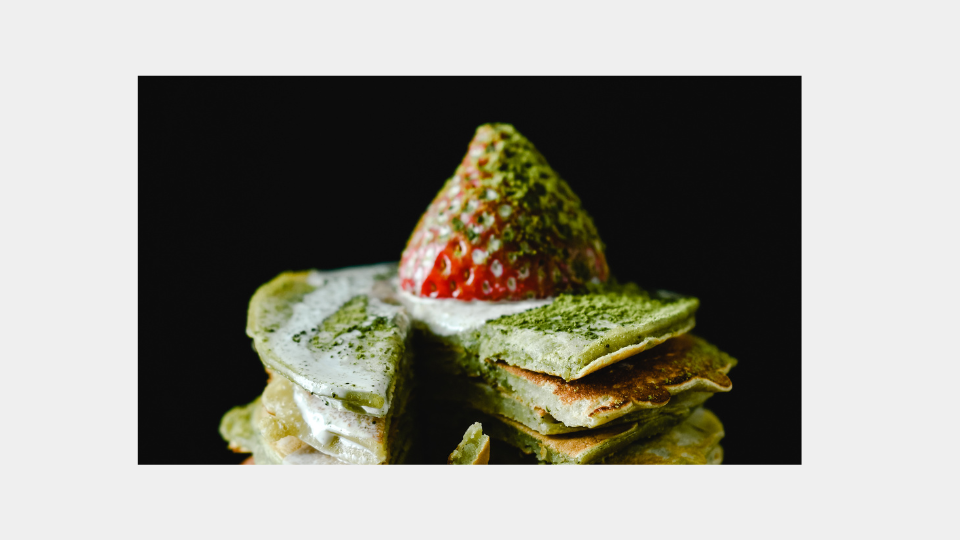
Umami — Depth of Flavor
Umami contributes a savory, deep sensation. In matcha, it can accompany smooth vegetal notes. Its intensity depends on the quality of the raw material and the balance of its compounds.
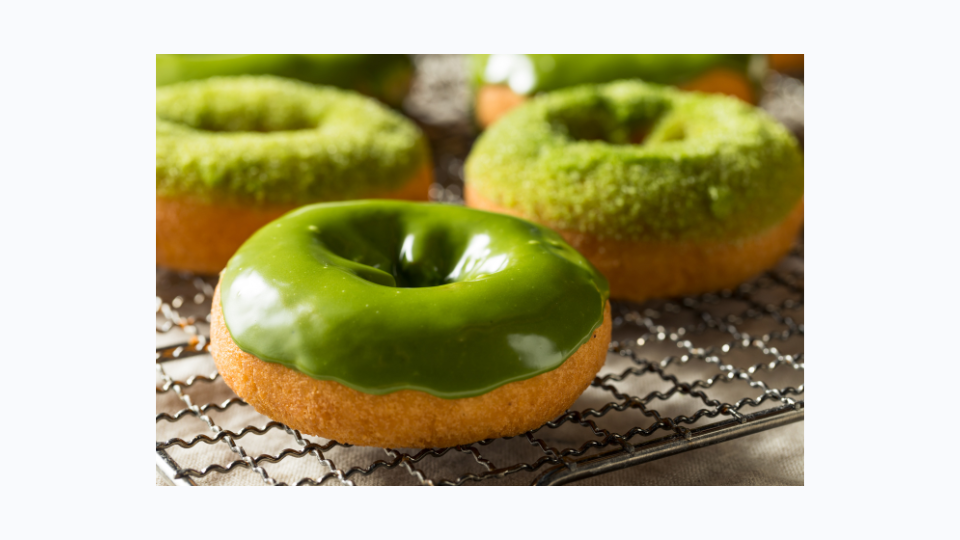
Subtle Sweetness — Natural Balance
Some matcha varieties have a gentle sweetness that balances bitterness and astringency. This does not mean added sugar is present; it is a sensory characteristic of the tea.
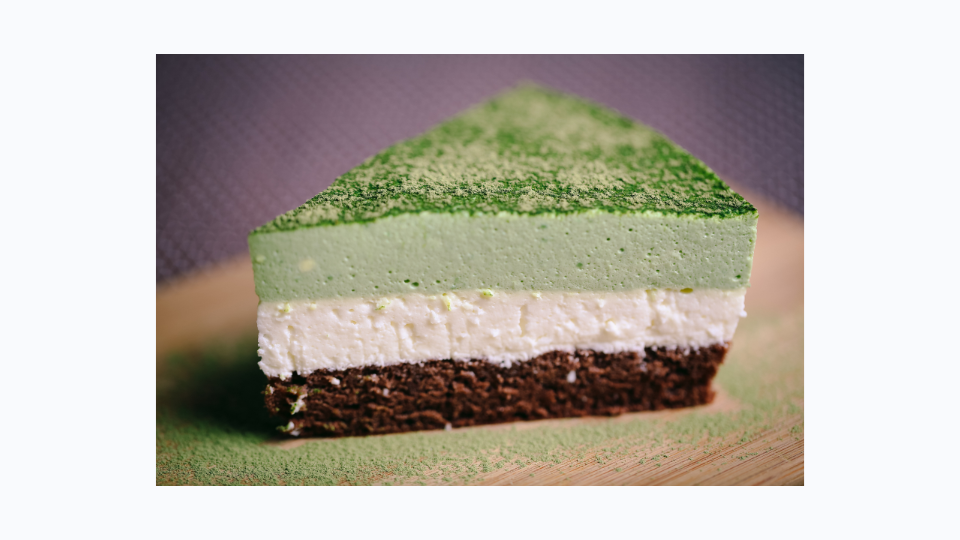
Astringency — A Distinctive Sensation
Astringency is the slightly dry feeling that can remain in the mouth. A balanced matcha avoids allowing this sensation to dominate the entire experience.
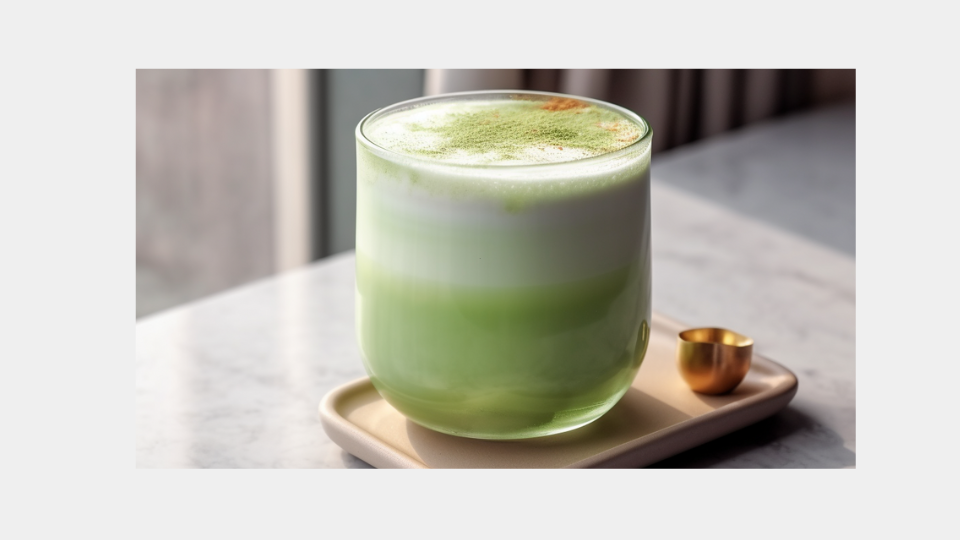
Creamy and Smooth — The Importance of Whisking
When prepared properly with a chasen, matcha can develop a fine foam and pleasant texture. Water quantity, temperature, and whisking technique all influence the result.
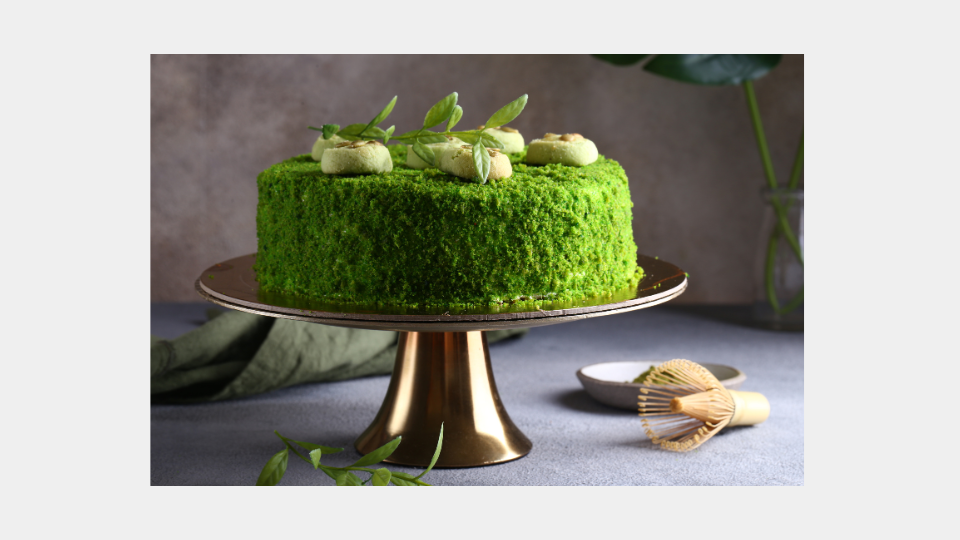
Balanced Profile — From Tea Ceremony to Cuisine
Matcha offers different levels of flavor intensity, allowing it to be used in traditional preparations as well as desserts, ice cream, and modern beverages.
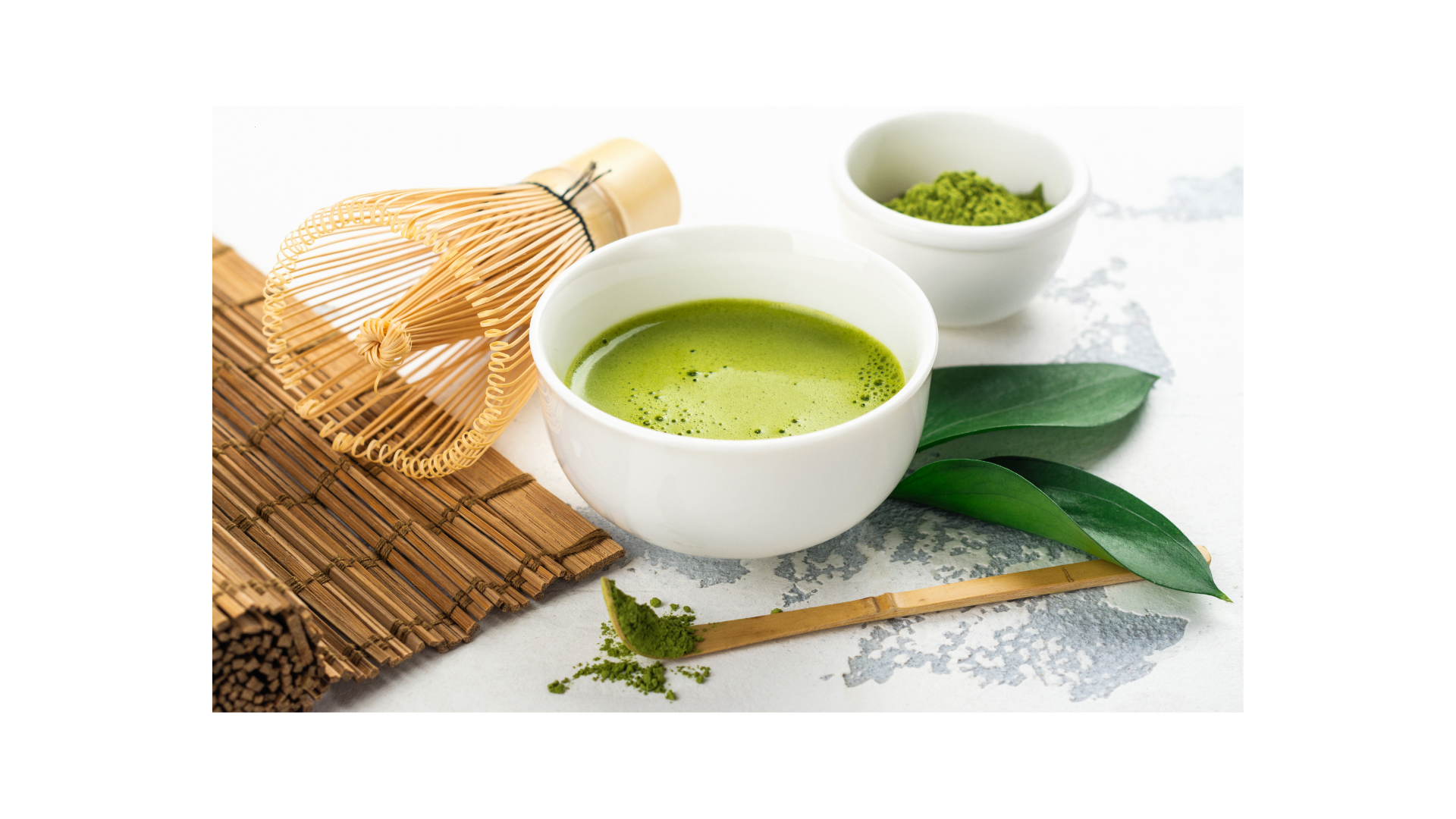
Herbaceous Notes — Its Vegetal Character
Some matcha varieties evoke fresh leaves, grass, or green vegetables. These notes form part of the tea’s identity and vary depending on the product.
The diversity of flavors also explains why a matcha intended for drinking on its own is not necessarily the best choice for baking a cake.
Preparations containing milk, sugar, or other ingredients may require a different flavor profile.
The objective is not to find a universally superior matcha, but to choose the right product for its intended use.
6. Matcha Versus Vitamins: Understanding the Difference
The original article compared matcha with vitamin supplements and suggested that its nutrients could be absorbed more efficiently because they came from a natural source.
That comparison requires correction.
Matcha is a beverage prepared from powdered tea leaves.
Vitamin supplements have a different purpose: providing specific quantities of one or more nutrients.
It would be incorrect to claim that one bowl of matcha is superior to a vitamin supplement or that it can replace nutrients required by someone with a diagnosed deficiency.
| Aspect | Matcha | Vitamin supplements |
|---|---|---|
| Nature | Food or beverage | Products designed to supply specific nutrients |
| Components | Catechins, caffeine, L-theanine, and other substances | Vitamins and, depending on the product, minerals |
| Purpose | Dietary and cultural consumption | Complementing particular nutritional needs |
| Replacement | Does not replace a balanced diet | Does not replace a balanced diet |
| Selection | Depends on taste and individual tolerance | Depends on nutritional needs |
This does not diminish the value of matcha. It places the beverage in the category to which it actually belongs.
We can appreciate its flavor, history, and composition without presenting it as a universal alternative to medical care or nutritional treatment.
7. How to Prepare Japanese Matcha at Home
You do not need to participate in a formal tea ceremony to enjoy a good matcha preparation.
With a few simple utensils, you can begin to recognize its aromas and characteristics.
Step 1 — Measure the Matcha
Use approximately 1.5 to 2 grams of matcha powder as a starting point. Adjust the quantity according to your preferred preparation style.
Step 2 — Add Water
Try approximately 60 to 80 ml of hot water at around 70–80°C (158–176°F). These are practical reference values rather than universal rules.
Step 3 — Whisk
Mix using a bamboo whisk, known as a chasen, until the powder is dispersed and, if you prefer a foamy preparation, a fine layer of bubbles forms.
Step 4 — Taste and Adjust
Notice the aroma, umami, sweetness, and astringency. Adjust the water or powder quantity to find the balance you enjoy.
Why Avoid Water That Is Too Hot?
Very hot water can increase the perception of bitterness and astringency in some preparations.
However, it would be incorrect to claim that boiling water automatically destroys all antioxidants or always ruins matcha.
The ideal temperature depends on the product and the preparation style.
Experimenting with small quantities and following the producer’s recommendations can help you achieve a better result.
8. Is It Safe to Drink Matcha Every Day?
For many healthy adults, drinking moderate amounts of matcha can be part of an ordinary diet.
However, there is no single quantity that is appropriate for everyone.
Caffeine content depends on the quantity of powder used and the characteristics of the product.
People who are sensitive to caffeine may experience nervousness, sleep disturbances, or discomfort.
Those who are pregnant, breastfeeding, taking certain medications, or required to limit caffeine should pay particular attention to consumption and seek professional advice when appropriate.
It is also important to distinguish ordinary matcha beverages from concentrated green tea extracts.
The NCCIH reports cases of liver injury associated mainly with concentrated green tea extracts. These should not be confused with ordinary tea consumption as a beverage.
Reference: NIH / NCCIH — Green Tea: Usefulness and Safety.
Therefore, the useful question is not simply whether matcha is good or bad. It is how much you consume, which product you use, and what your individual circumstances are.
The Best Matcha from Japan — Explore Amazon Japan
Japan offers distinctive matcha traditions and tea-producing regions. Kyoto, Shizuoka, and Fukuoka each have their own agricultural histories and products worth exploring.
The following shopping references were part of the original Discover Japan Sites article. Their photographs and Amazon Japan affiliate links are preserved here. Product availability, seller identity, shipping eligibility, and prices should be checked directly before purchasing.
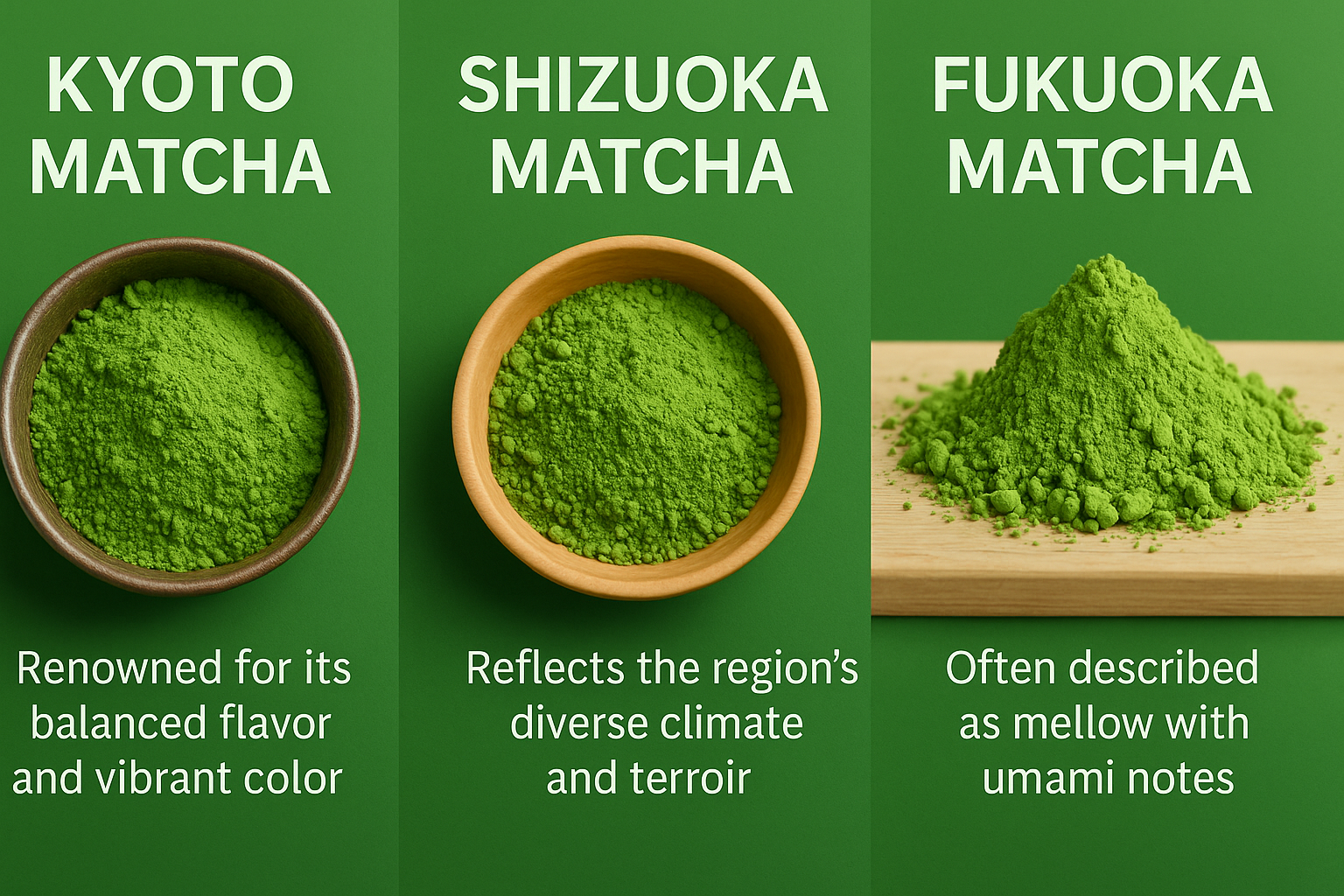
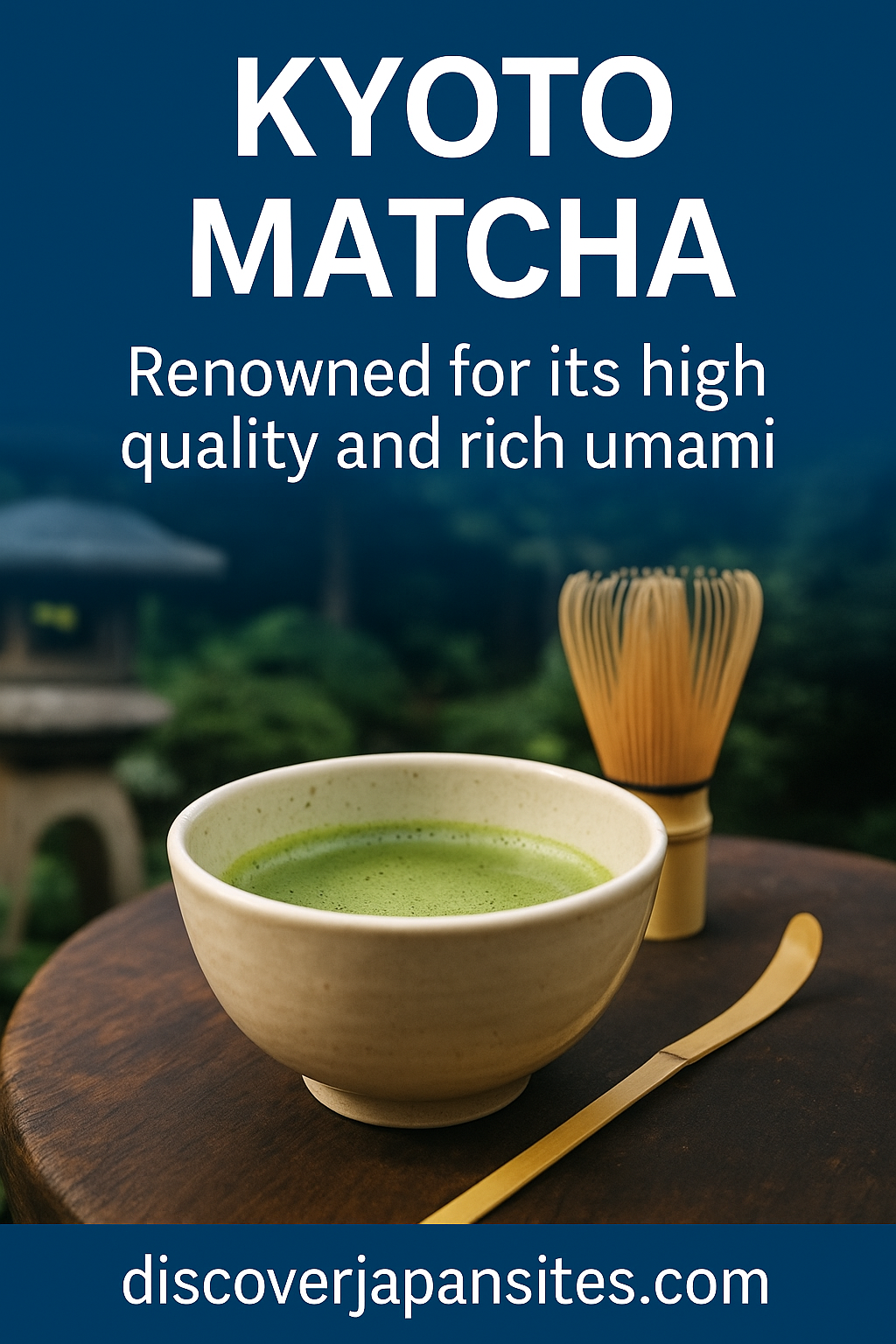
Kyoto Matcha — The Heart of Japanese Tea Culture
Kyoto matcha, especially from the Uji region, is known for its rich umami flavor and ceremonial traditions. It is appreciated by connoisseurs and everyday tea drinkers seeking depth and elegance.
Buy Kyoto Matcha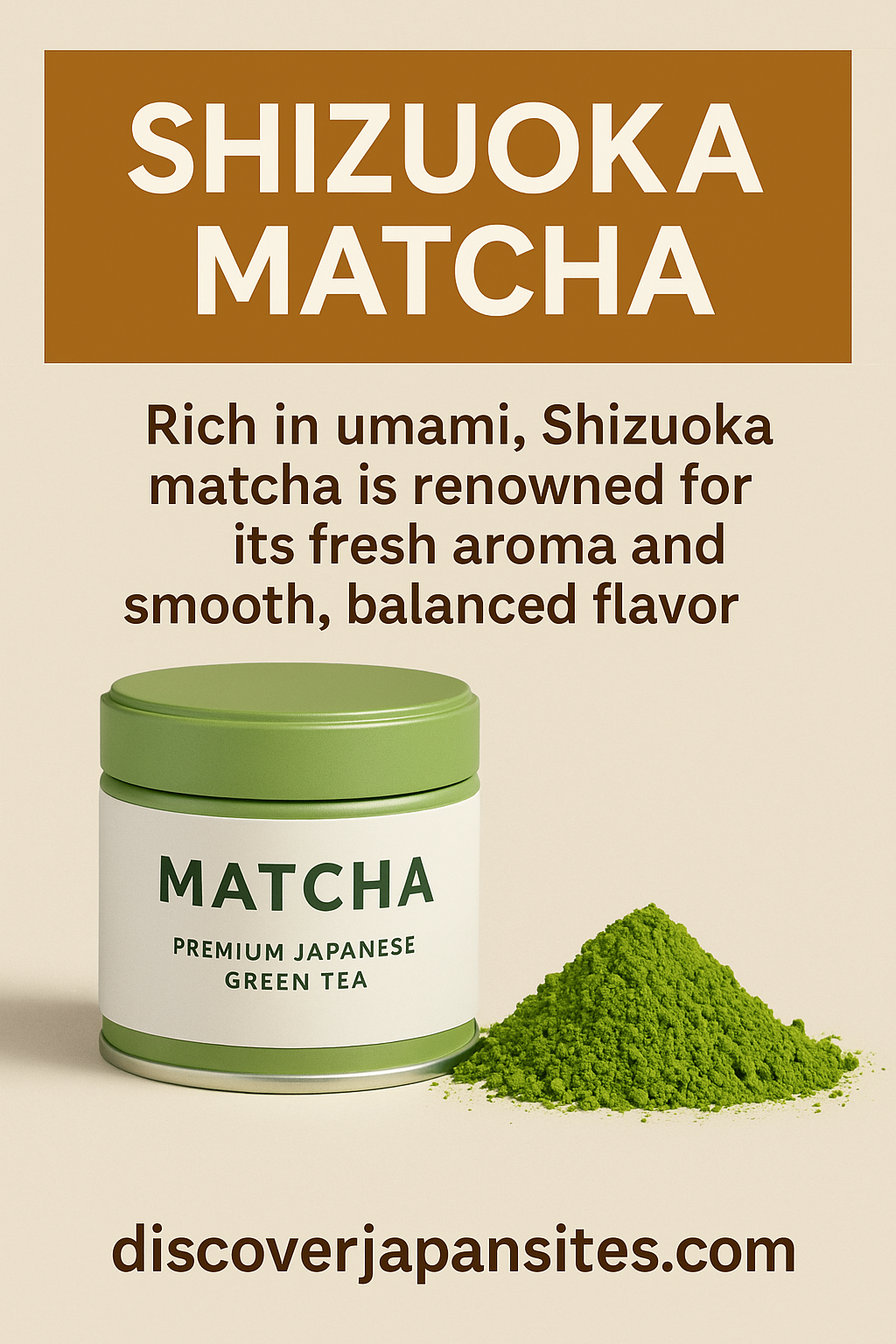
Shizuoka Matcha — Balanced and Smooth
Shizuoka is one of Japan’s best-known tea-producing regions. Its tea traditions include products with mellow, vegetal, and earthy profiles suitable for a variety of preparations.
Buy Shizuoka Matcha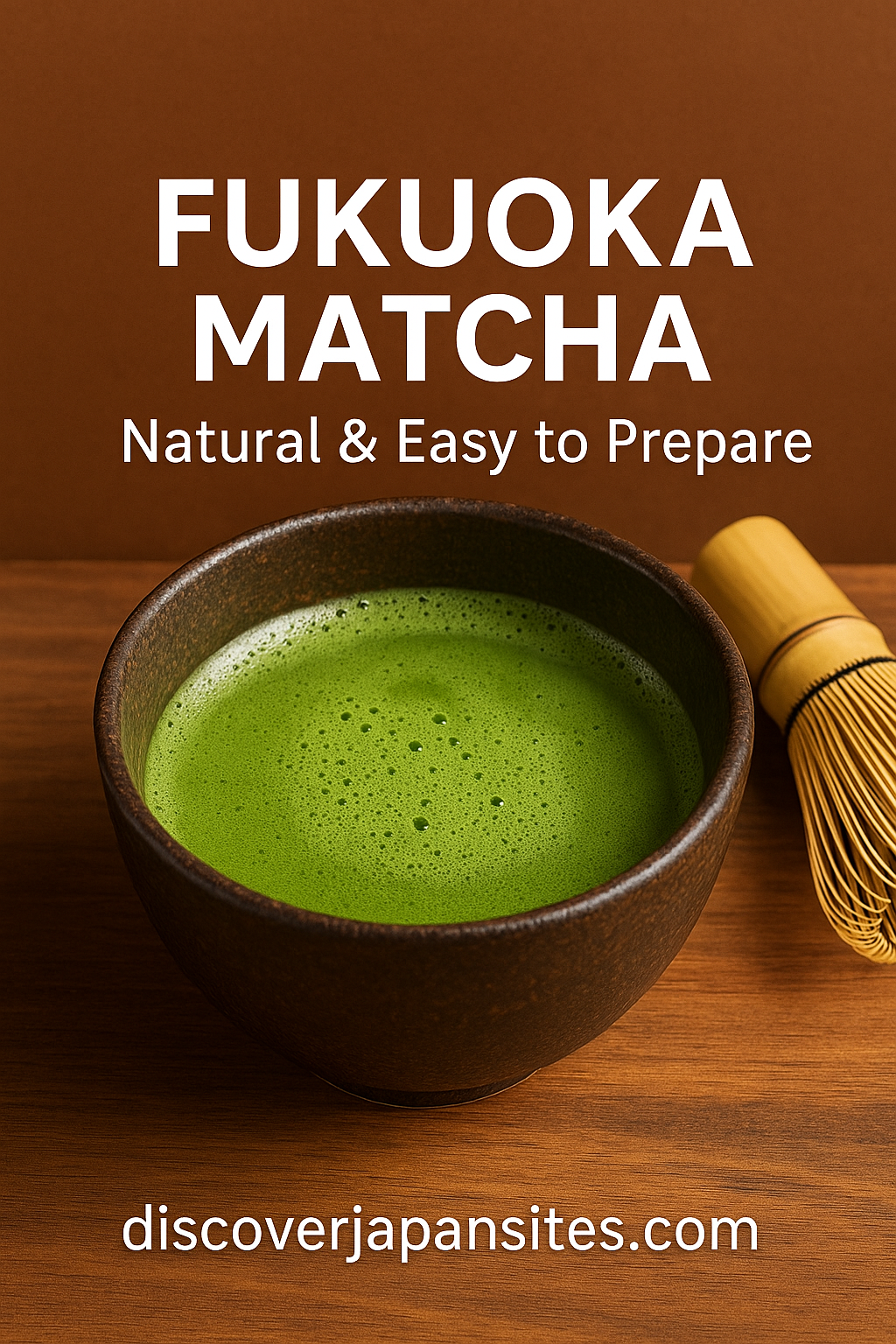
Fukuoka Matcha — Naturally Sweet and Fragrant
Fukuoka has its own tea-growing traditions. Some matcha products from the region offer delicate sweetness and fragrance, making them interesting for lattes, desserts, or traditional preparations.
Buy Fukuoka Matcha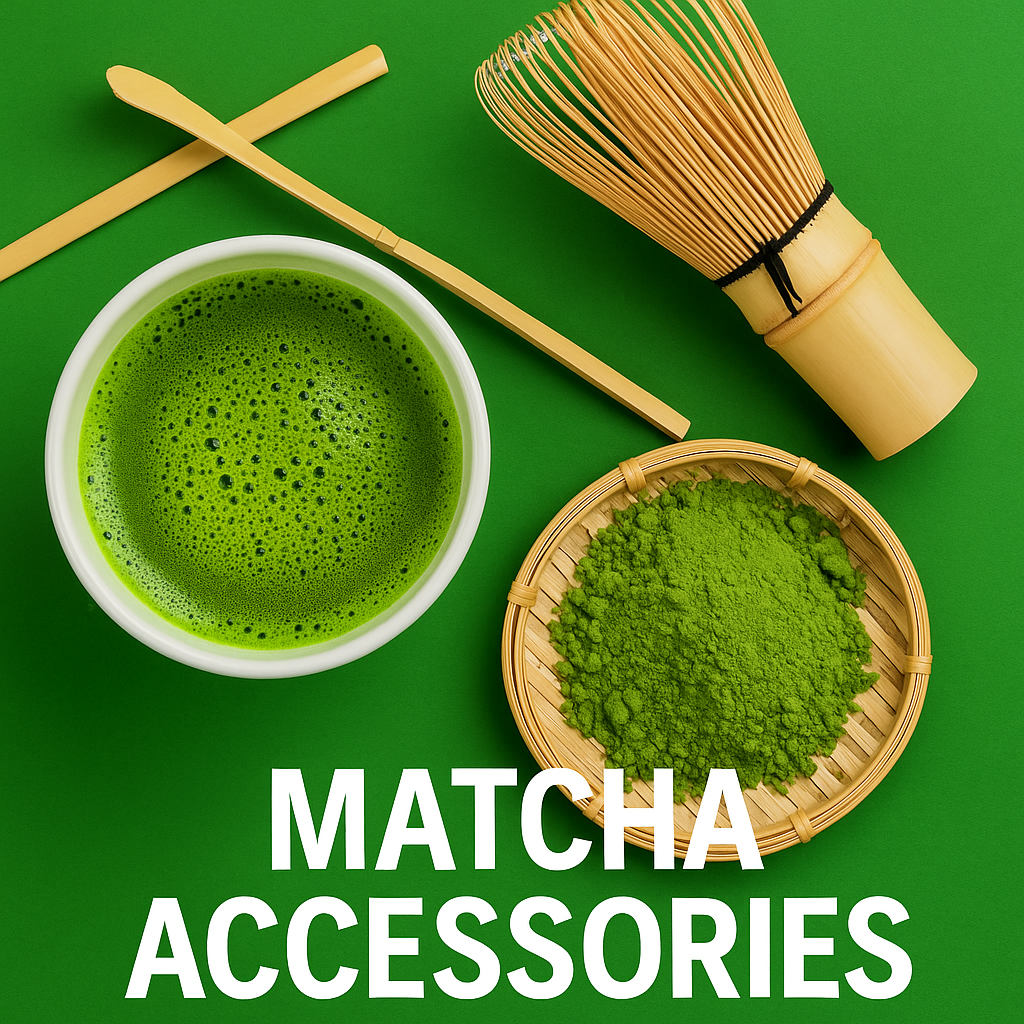
Complete Your Matcha Experience — Traditional Tools
Enhance your tea ritual with traditional Japanese matcha tools: a chasen (bamboo whisk), chawan (ceramic bowl), and chashaku (tea scoop). These elements help you explore the texture and aroma of matcha.
Shop Matcha AccessoriesThese links lead to Amazon Japan searches, not guaranteed product listings. Confirm seller information, origin, stock, prices, and international shipping conditions before purchasing.
9. Frequently Asked Questions About Matcha

Where does matcha come from?
Its cultivation and preparation traditions are closely associated with Japan. Matcha is produced from leaves processed as tencha, using specific shading, processing, and grinding techniques.
How is matcha different from regular green tea?
With matcha, powdered tea leaves are consumed suspended in water. In many conventional tea infusions, the leaves are removed after their soluble components have been extracted.
Does matcha contain caffeine?
Yes. The amount depends on the dose and product. The presence of L-theanine does not eliminate caffeine’s effects.
Does matcha help with weight loss?
There is insufficient clinical evidence to present matcha as an effective weight-loss method.
Why are some matcha varieties bitter?
Bitterness and astringency depend on composition, cultivation, storage, and preparation. An intense taste does not automatically mean the product is counterfeit or poor quality.
Can matcha be used for cooking?
Yes. Matcha is versatile in desserts, ice cream, drinks, and other preparations. The flavor profile that works best in a recipe may differ from the one preferred for drinking plain matcha.
Is every product advertised as Japanese matcha actually from Japan?
Origin should not be assumed solely from packaging or marketing language. Identifying where a product was cultivated and processed requires checking the available evidence and supplier information.
Discover the Hidden Truth Behind Japanese Matcha
Understanding the cultural and culinary value of matcha is one step. Verifying what the international market actually offers is another.
In our complementary investigation, The Hidden Truth Behind “100% Japanese” Matcha in Latin America, we examine the difference between commercial language, declared origin, traceability, and the evidence buyers need when evaluating products advertised as Japanese matcha.
Knowing the product is the first step toward understanding the market behind it.
10. Conclusion: Matcha’s Value Does Not Need Miraculous Promises
Matcha has crossed Japan’s borders through a combination of culture, flavor, technique, and reputation.
Its appeal does not depend exclusively on what science can demonstrate about its potential effects on health.
It also represents agricultural and culinary knowledge developed over generations.
The way tea plants are cultivated, leaves are processed, powder is prepared, and the beverage is served all form part of its identity.
Scientific research has identified interesting compounds and preliminary findings involving certain biological functions.
However, current evidence does not allow us to claim that drinking matcha guarantees a longer life, prevents disease, or replaces other health measures.
This distinction does not make matcha less interesting.
On the contrary, it allows us to appreciate its genuine value without turning Japanese tradition into a medical promise.
The best starting point is to understand its origins, learn how it is prepared, appreciate its flavors, and distinguish established facts from commercial claims.
A tradition does not need to become a miracle to deserve recognition.
Matcha Beyond the Tea Bowl: A Culinary Tradition
Beyond traditional tea preparation, matcha has become an ingredient in a wide range of culinary creations, from Japanese sweets to contemporary desserts and beverages.
The following collage belongs to the original 2024 article and illustrates this versatility.

Official Sources and Scientific Verification
Source review: October 8, 2026. This article distinguishes the cultural history of matcha from scientific findings on its chemical composition and potential health effects. Studies involving concentrated extracts, laboratory experiments, or other green tea beverages should not automatically be interpreted as proof of clinical benefits from drinking matcha.
- NIH / NCCIH — Green Tea: Usefulness and Safety. Evidence concerning possible benefits, limitations, caffeine, and safety.
- NIH / NCCIH — Tea. Background information on tea composition and research.
- Kochman et al. (2020) — Health Benefits and Chemical Composition of Matcha Green Tea. Scientific review of matcha composition and potential biological effects.
- Sokary et al. (2023) — The Therapeutic Potential of Matcha Tea: A Critical Review. Review of human and animal research.