DISCOVER JAPAN SITES AI
Ask in your language. Get answers with context, not just keywords.
Welcome. What would you like to know?
Updated: October 2026
This guide incorporates Japan’s shopping developments from 2025–2026, including new and expanded outlet destinations, updated purchasing advice, and current tax-free shopping rules. It also explains the refund-based tax-free system scheduled to begin on November 1, 2026, clearly distinguishing future requirements from those already in effect.
Smart shopping in Japan starts with comparing value, not simply looking for discounts. Exchange rates, Japan Domestic Market (JDM) products, tax-free shopping, regional exclusives, and Japan’s established second-hand market can offer international visitors worthwhile opportunities. But the best purchase depends on the actual price, compatibility, warranty, condition, and costs of taking the product home.
This is a practical guide to what to buy, where to go, why it matters, and how to plan your purchases—from electronics and cosmetics to watches, local crafts, outlets, and Japanese souvenirs.
1. Before you leave home — planning and essentials
Why plan? Because planning saves money, baggage stress, and time. Decide what matters most—electronics, cosmetics, fashion, whisky and sake, collectibles, or regional crafts—and connect your shopping priorities to the places already included in your travel route.
Practical preparation:
- Open or update an account at Amazon Japan.
- Bookmark official store websites and compare the same model or product before traveling.
- Keep your hotel’s full address and reservation details available if you plan to receive packages.
- Check airline baggage limits, especially for additional suitcases, liquids, batteries, and fragile purchases.
- Compare the final cost in your own currency, including exchange rates, foreign card charges, and any import duties at home.
Exchange-rate tip: A favorable yen exchange rate may create opportunities, but it does not guarantee a fixed percentage of savings. Compare current prices in Japan and your home market before deciding.
2. Tax-Free shopping: how it actually works (and how to maximize it)
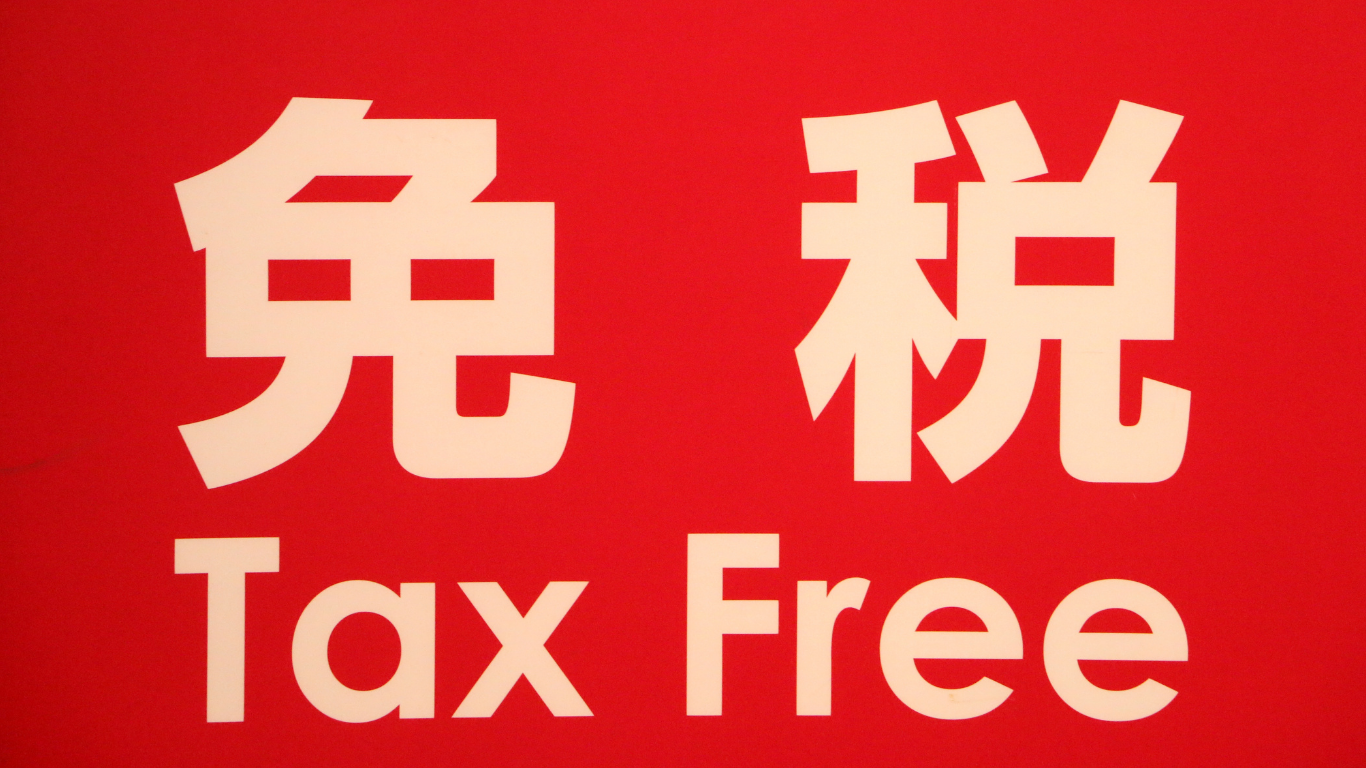
What it is. Japan allows eligible international visitors to make qualifying purchases without bearing Japanese consumption tax, provided they meet the applicable conditions and complete the required procedures.
The system in effect through October 31, 2026
- Look for the Tax-Free / 免税 (menzei) sign at participating stores.
- Eligible purchases generally require a minimum of ¥5,000 before tax at the same store on the same day, subject to the relevant product category and conditions.
- Carry your original passport. Where supported, eligible visitors may use the authorized digital passport information procedure through Visit Japan Web, subject to store participation.
- Participating retailers electronically record tax-free purchase information. The older paper-slip attachment procedure is no longer the general system.
- Under the current system, qualifying purchases are generally processed tax-free at the participating retailer.
- Special rules apply to consumables, including applicable packaging, purchase limits, and restrictions on use within Japan.
- Tax-free goods must meet the export requirements. Customs may request presentation of the goods when leaving Japan.
Important change from November 1, 2026
Japan is scheduled to introduce a refund-based tax-free system for purchases from November 1, 2026. Under the new approach, eligible shoppers generally pay consumption tax at purchase and obtain the applicable refund after the required departure and export verification procedures.
As of October 10, 2026, this new refund system is not yet in effect. Travelers visiting on or after November 1 should consult the latest official guidance before making large purchases, because timing and verification requirements will matter.
Shopping strategy: Group qualifying purchases when it makes sense, compare prices across retailers, and confirm the store’s tax-free procedure before paying. A tax exemption does not automatically make a product cheaper than the same item elsewhere.
Useful resources: National Tax Agency, Japan Tourism Agency, and Don Quijote tax-free information.
3. Amazon Japan → hotel delivery (step-by-step)
Many travelers underestimate Amazon Japan. It can be useful when you know the exact product model, have limited shopping time, or want an item delivered to your accommodation instead of spending hours visiting multiple stores.
How to ship an order to your hotel:
- Create or use your Amazon.co.jp account. Switch the interface language if necessary.
- Contact your hotel before placing the order. Confirm whether it accepts packages for guests, how long it can store them, and whether any handling fee applies.
- Use the exact hotel address and delivery instructions supplied by the property.
- Where the address form allows it, add your reservation name and arrival date, for example:
Guest: [Full Name] / Arrival: [YYYY-MM-DD] / Reservation: [Number]. - Choose a delivery date consistent with the hotel’s instructions. Avoid assuming that every hotel will accept packages before check-in.
- Check the seller, estimated delivery date, return conditions, and any size restrictions before confirming.
Hotel message — English template:
Hello,
I have a reservation under [Full Name] (Reservation #[Number]) and will arrive on [Date].
May I have an Amazon Japan parcel delivered to the hotel and held under my reservation name?
Please let me know if there are any restrictions or storage charges.
Thank you.
Hotel message — Japanese template:
こんにちは。[Full Name] と申します。予約番号 [Number] で [Date] に宿泊予定です。
Amazon等で購入した荷物をホテル宛てに配送し、予約名でお預かりいただくことは可能でしょうか。
お受け取りの条件や保管料などがありましたら、お知らせください。
よろしくお願いいたします。
Important caveats:
- Ordinary Amazon Japan online orders should not be assumed to qualify for the in-store tourist tax-free procedure.
- Hotels may refuse deliveries, restrict certain items, or charge a handling or storage fee.
- Delivery dates are estimates, especially during holidays or severe weather.
- Check the seller’s return policy and allow enough time to resolve problems before leaving Japan.
4. Electronics & Akihabara: what to look for and voltage tips
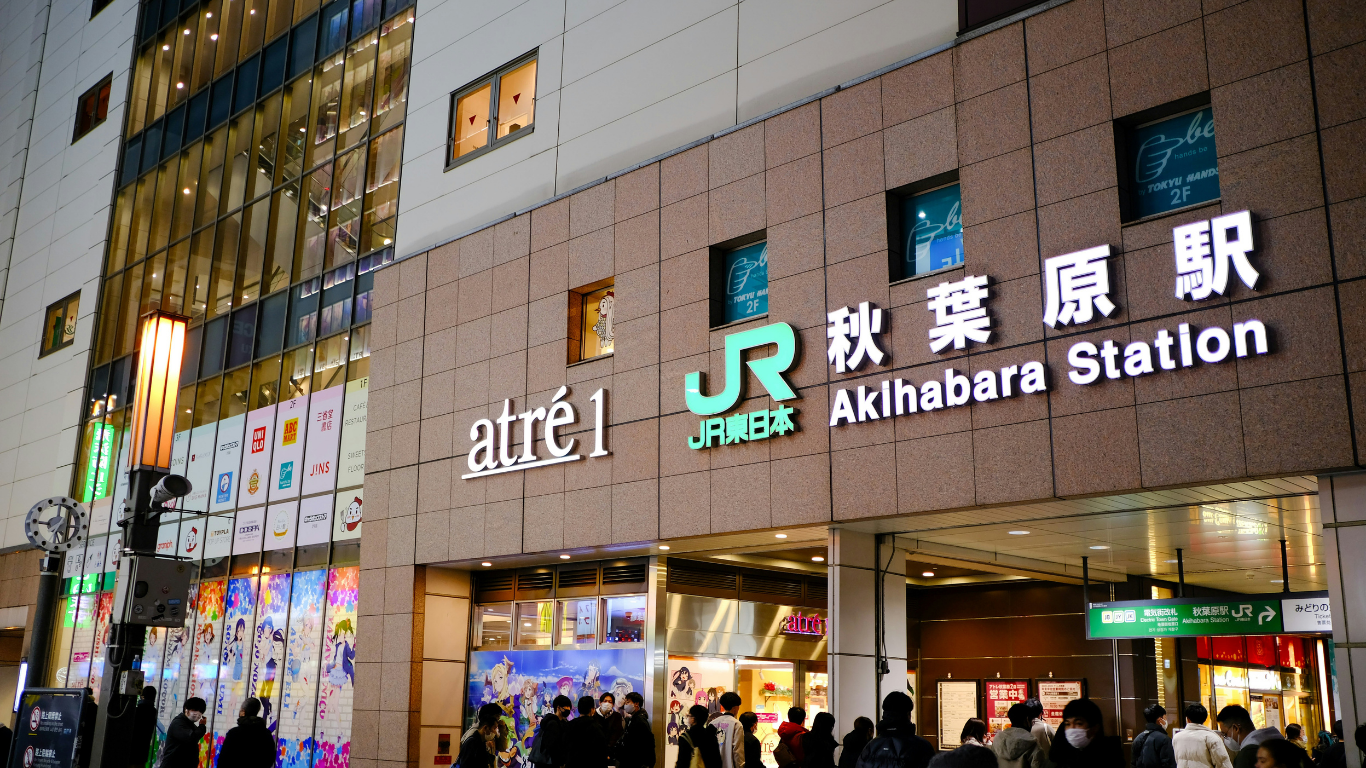
Why buy electronics in Japan?
- Competitive prices may be available for cameras, lenses, audio equipment, gaming products, and accessories.
- Some manufacturers release Japan-specific configurations, colors, or limited editions.
- Established retailers and specialized second-hand stores offer opportunities to compare products and their condition.
Japan Domestic Model (JDM), Voltage & Warranty Explained
Japan Domestic Market (JDM) describes products intended for the Japanese market. Some models offer features, designs, or editions unavailable overseas, but a JDM label does not automatically mean higher quality or greater resale value. The advantage depends on the product itself.
- Japan-only models: Some appliances operate exclusively on Japan’s 100V electrical supply. Language settings, frequencies, wireless bands, plugs, and service restrictions may differ from international versions.
Retailer: Yodobashi Camera. - Dual-voltage products (100–240V): These are generally more convenient for international travel, subject to compatible plugs and manufacturer instructions. Dual voltage does not guarantee international warranty coverage.
Retailer: Bic Camera. - International models: May provide broader language options, regional compatibility, and support arrangements. Compare the exact model number rather than relying solely on marketing descriptions.
Shopping district: Osaka Nipponbashi / Den Den Town.
Warranty note: Voltage, product region, language support, and warranty are separate issues. Check them independently before buying.
Buying tip: A correctly specified transformer can sometimes make a 100V appliance usable abroad, but it must match the device’s power requirements and electrical characteristics. A simple plug adapter does not convert voltage. Some products are unsuitable for transformer use, so check the manufacturer’s guidance first.
For a more detailed comparison strategy, read How to Find the Best Prices and Maximize Value.
5. Beauty & drugstores: brands, best buys, and where to find them
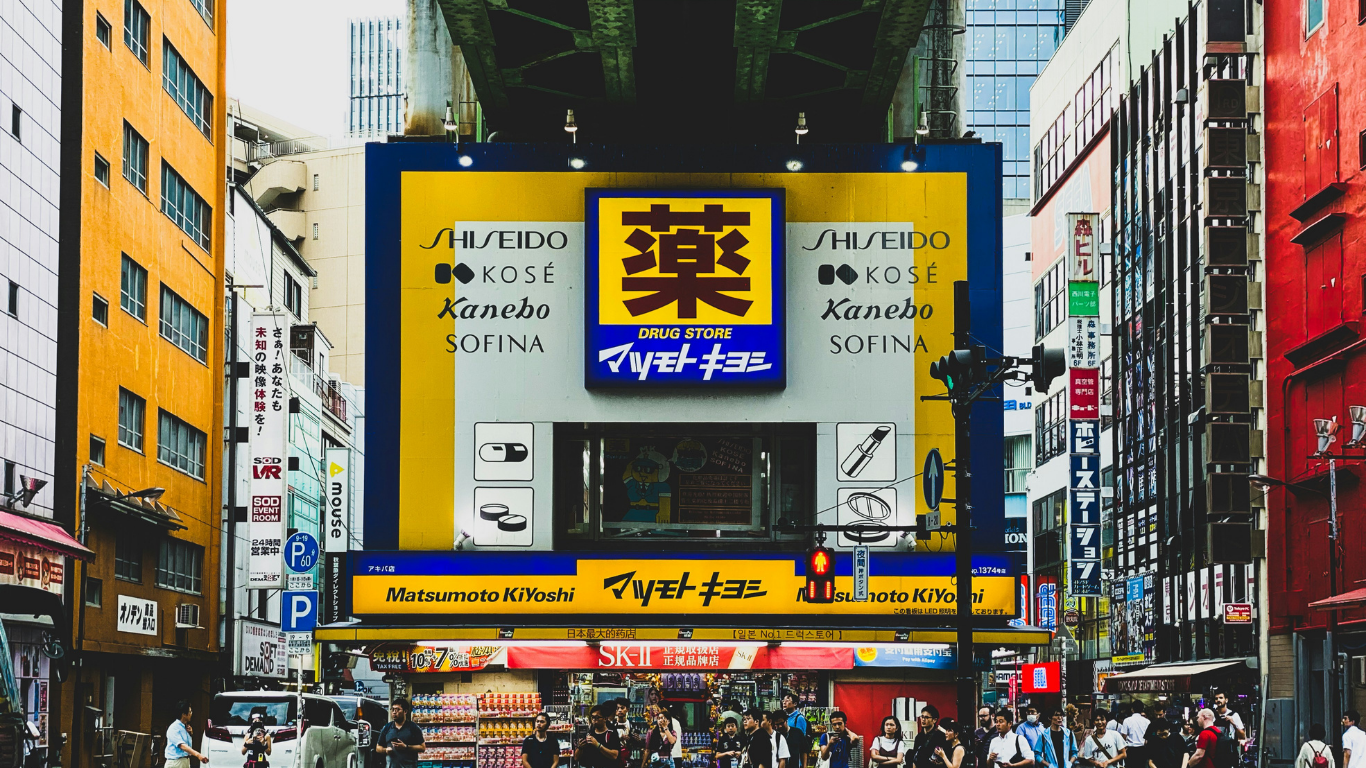
Why Japanese Drugstores Are Special
Japanese drugstores combine skincare, cosmetics, supplements, personal care, and everyday essentials. Travelers can discover domestic product lines, seasonal packaging, and items that may not be widely distributed abroad.
Why these products are worth comparing:
- Japanese skincare offers a wide range of formulations, textures, and price points.
- Some domestic product sizes, combinations, and limited editions are difficult to find overseas.
- Promotions vary considerably between stores, even for the same brand.
Brands to consider:
- Shiseido: Known for premium skincare lines including Ultimune and Benefiance. Compare Japanese product versions, sizes, and promotional sets with those sold at home.
- Hada Labo: Known for its hydrating lotions and accessible pricing. Multipacks and different domestic formulations may be worth comparing.
- SK-II: A luxury skincare brand associated with its Facial Treatment Essence. Prices vary by store, size, currency, and promotion; do not assume a fixed percentage of savings.
Chains & Stores
- Matsumoto Kiyoshi (マツモトキヨシ): A major drugstore chain offering cosmetics, skincare, daily essentials, and promotions that vary by location.
- Sugi Drug (スギ薬局) & Sun Drug (サンドラッグ): Useful for comparing domestic prices, promotions, and everyday products outside the most heavily visited shopping streets.
- Don Quijote (ドン・キホーテ): A discount-oriented retailer carrying skincare, snacks, souvenirs, household products, and electronics. Hours vary by branch, with some operating late or around the clock.
Shopping Tips
- Compare prices across chains. Promotions, coupons, and bundled products can change the final price.
- Look for 限定 (gentei). This means limited or restricted availability, but it does not necessarily mean exclusive to Japan or more valuable.
- Check tax-free eligibility. Confirm the applicable purchase threshold and procedure at the participating store.
- Plan your luggage. Liquids, aerosols, glass bottles, and large product sets may require additional packing precautions.
Practical URLs for Foreign Shoppers
- Matsumoto Kiyoshi: Official website
- Sugi Drug: Official website
- Don Quijote Tax-Free: Official information
- Hada Labo (Rohto): Official website
- Shiseido: Official website
- SK-II Japan: Official website
For more background on Japanese skincare brands, read our article Why Japanese Skincare Brands Are the Smartest Beauty Investment.
6. Fashion & accessories (Uniqlo, Muji, GU, local designers)
Why buy clothes in Japan?
- Domestic collections may include different cuts, colors, collaborations, and seasonal products.
- Japanese branches sometimes offer designs or product combinations unavailable in other markets.
- Competitive pricing depends on the brand, season, exchange rate, and promotions rather than the country of manufacture alone.
Where to find them:
- Uniqlo Ginza: A major flagship destination for clothing and seasonal collections.
Uniqlo Japan. - MUJI Ginza: A major flagship offering clothing, stationery, food, and lifestyle goods.
MUJI Japan. - GU: An accessible fashion retailer with stores in Tokyo and throughout Japan. Confirm the nearest branch before visiting.
GU Japan.
Practical notes:
- Sizing matters: Japanese measurements and size labels may differ from those used in Europe or North America. Try items on or consult the measurements.
- Lightweight travel clothing, basics, and layered winter products can be practical purchases, particularly during seasonal promotions.
- Compare material composition, care requirements, and fit rather than relying only on the brand.
7. Jewelry, pearls, and luxury purchases — why they differ
Why Japanese Jewelry Is Unique
- Mikimoto pearls: Mikimoto is internationally recognized for cultured pearls, jewelry craftsmanship, and distinctive designs.
- Japanese gold jewelry: Available in different purities, commonly including 18K, 22K, and 24K products depending on the design and purpose. Always check the actual hallmark rather than assuming a particular purity.
- Platinum jewelry: Japan has a well-established platinum jewelry market, with different purity grades and designs. Higher purity does not automatically mean greater resistance to wear.
Where to shop in Tokyo:
- Ginza: A destination for luxury boutiques, international jewelry brands, and Japanese specialists.
- Mitsukoshi Ginza: Official department store.
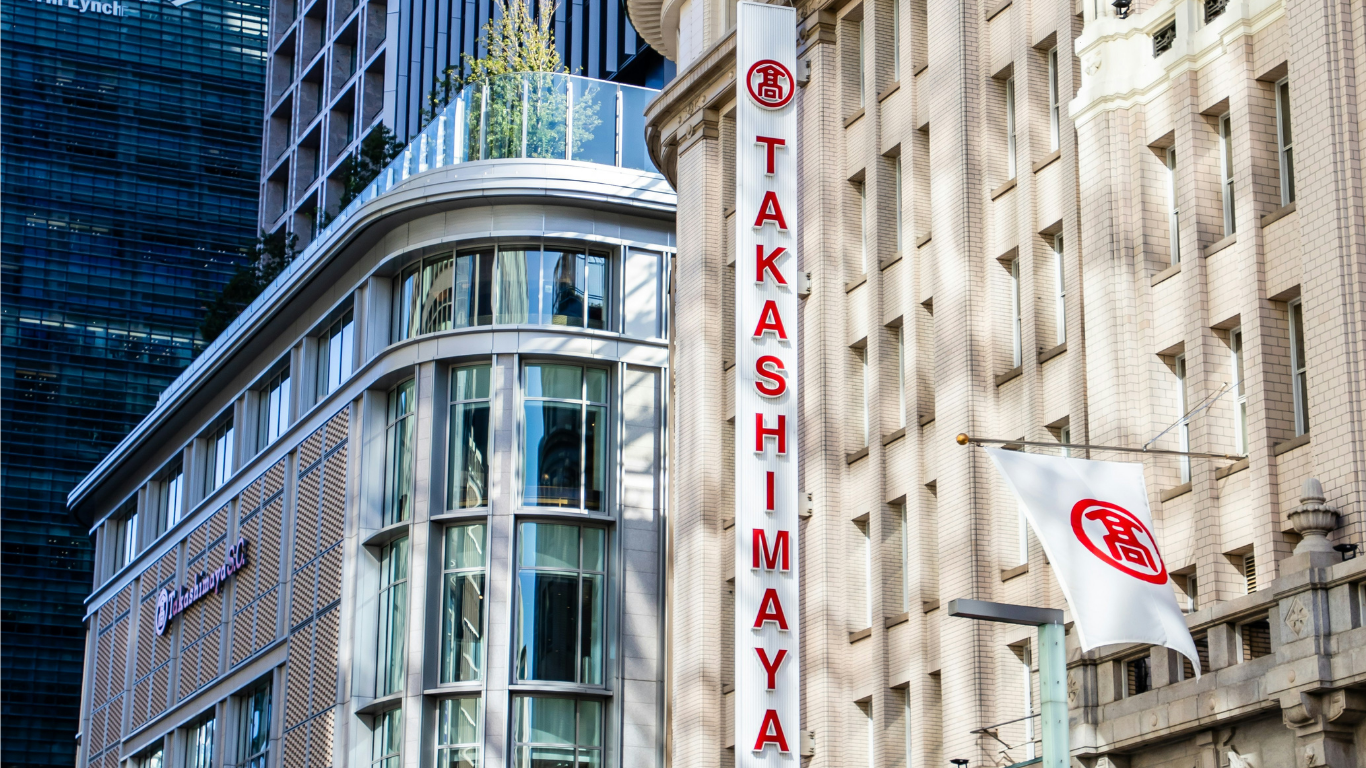
- Takashimaya Nihonbashi: Official website.
- Isetan Shinjuku: Official website.
- Wako Ginza: Official website.
Practical buying tips:
- Request documentation appropriate to the item, including authenticity, material composition, grading, and applicable warranties.
- Compare the total price after any eligible tax-free treatment.
- For expensive items, consider insurance, overseas servicing, exchange rates, and customs declarations.
- Limited editions and Japan-specific designs may interest collectors, but future resale value is never guaranteed.
8. Japanese Watches: Limited Editions & Collector’s Choice
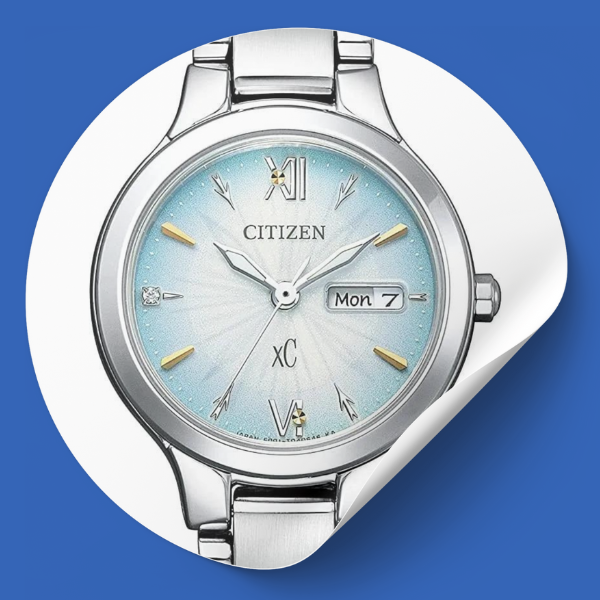
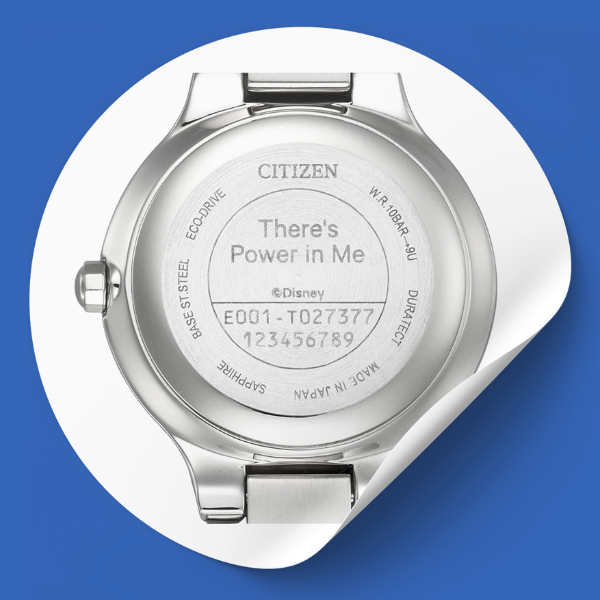
CITIZEN Cross Sea Model EW3221-51L, from the limited Disney collection inspired by Elsa from Frozen. A collectible example of Japan’s distinctive watch editions, produced in a limited run of 1,200 units.
Japan has a long watchmaking tradition. Brands such as Seiko, Citizen, Casio, and Grand Seiko produce products ranging from practical everyday watches to highly specialized mechanical models and limited editions.
- Limited editions: Certain models are distributed exclusively or primarily in Japan, attracting collectors interested in unusual dial designs, collaborations, and production histories.
- Previous-generation models: Discounts may become available when new references replace older ones. The size of the reduction varies by model, retailer, and demand.
- Price comparison: Use Amazon Japan and established watch retailers to understand prevailing prices, always comparing the exact reference number.
For more information, visit our guide to exclusive Japanese watches and their benefits.
Where to shop for watches in Japan:
- Yodobashi Camera: Official website.
- Bic Camera: Official website.
- Isetan Shinjuku: Official website.
- Grand Seiko boutiques: Official store information.
- Citizen Flagship Store Tokyo: Official website.
- Jack Road & Betty Road, Nakano Broadway: Official website.
- Kame-Kichi: Official website.
Buying tips:
- Confirm the reference number, serial information when applicable, warranty documentation, and purchase receipt.
- For pre-owned luxury watches, request details about servicing, replaced parts, authenticity checks, and return conditions.
- A JDM label or limited production number does not guarantee international resale profit.
9. Sake & Japanese whisky — what makes them special and what to buy
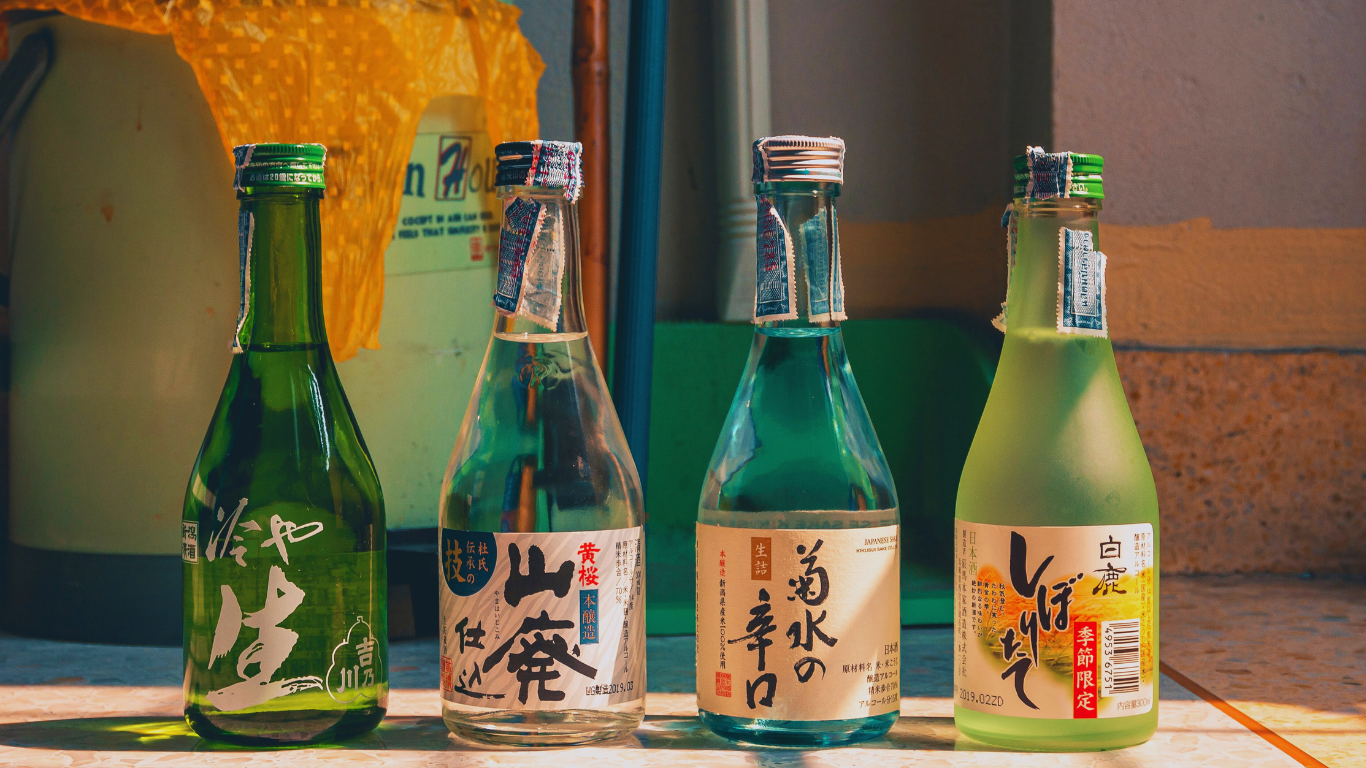
Sake — more than just two regions
Nihonshu (Japanese sake) is much more diverse than many travelers imagine. Regional water, rice varieties, production techniques, and individual brewery styles contribute to a wide range of aromas and flavors.
Some sake makers and regions worth exploring:
- Dassai (Yamaguchi): Known for aromatic premium sake styles, including junmai daiginjo.
Official website. - Kubota (Niigata): Associated with refined, clean styles appreciated by drinkers who favor a restrained profile.
Official website. - Hakkaisan (Niigata): Known for its range of sake styles and regional brewing tradition.
Official website. - Kokuryu (Fukui): A respected producer with premium offerings and distinctive expressions.
Official website. - Tedorigawa (Ishikawa): A brewery with a long tradition and a selection of styles reflecting its regional identity.
Official website. - Gekkeikan (Kyoto, Fushimi): An established producer with a history dating back to 1637 and products available in many international markets.
Official website. - Dewazakura (Yamagata): Known particularly for aromatic ginjo-style sake and a long history of producing refined expressions.
Official website.
Which sake is the best? There is no universal answer. Dassai may appeal to someone seeking an aromatic premium experience; Kubota is a useful reference for cleaner styles; Dewazakura offers another approach to fragrant sake. Trying different regions and grades is more informative than relying on a single ranking.
Practical tip: Department stores and specialist retailers sometimes organize tastings, while brewery visits may introduce travelers to products with limited distribution. Confirm tasting schedules, age requirements, and availability in advance.
Industry reference: Japan Sake and Shochu Makers Association.
10. Whisky — precision and craft
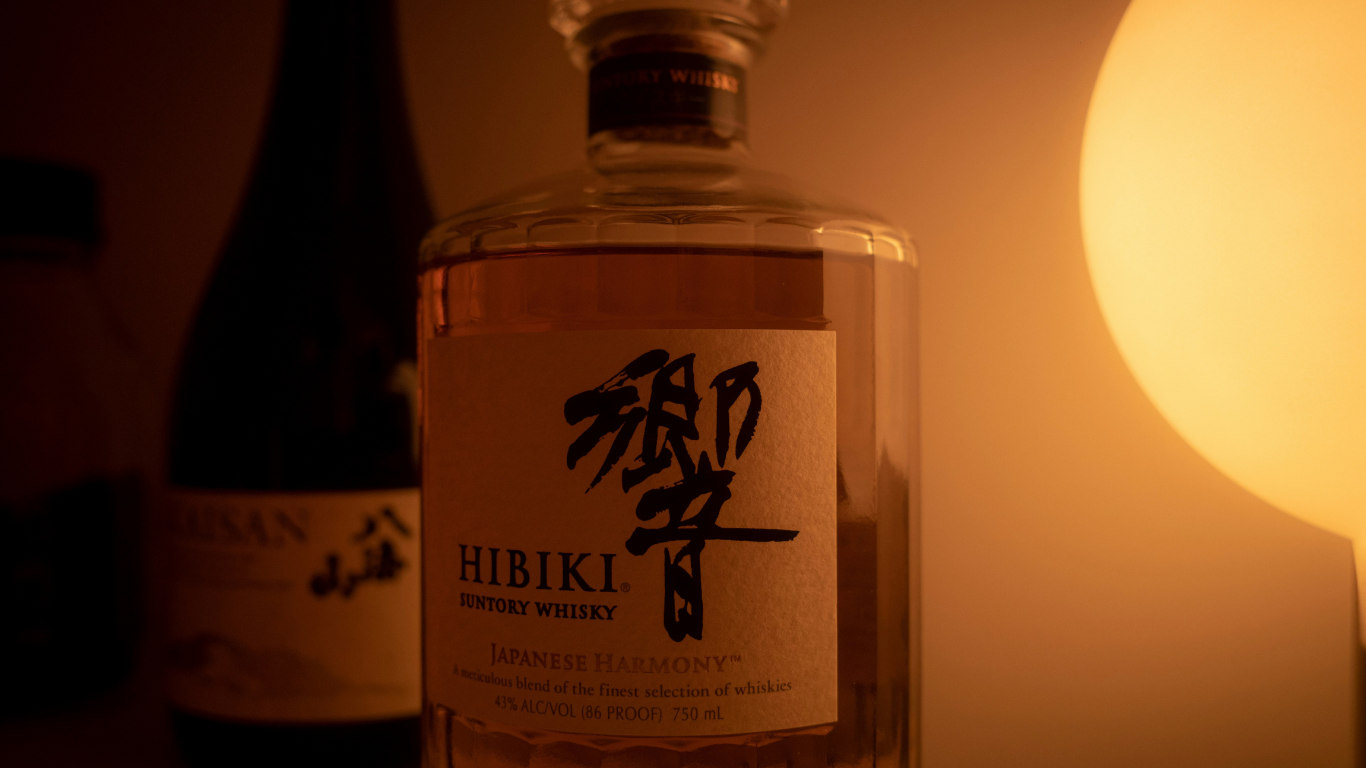
Japanese Whisky — Why It Stands Out Globally
Japanese whisky developed through an engagement with Scottish distilling traditions while building its own production culture. Today, Japanese distilleries offer a wide range of flavor profiles influenced by raw materials, maturation conditions, cask selection, and blending techniques.
How it compares with international whiskies:
- Scottish whisky: A diverse tradition encompassing light, fruity, smoky, and richly sherried styles. Some Japanese producers began with methods inspired by Scotland.
- American bourbon: Often associated with corn-based mash bills and new charred oak barrels, giving many expressions pronounced vanilla and caramel characteristics.
- Irish whiskey: Includes a broad range of styles, from lighter blends to more complex single pot still and single malt expressions.
- Japanese whisky: Should be evaluated by producer and bottling rather than assuming every expression is light, delicate, or similar in character.
Japanese whisky producers and names to know:
- Suntory: Yamazaki, Hakushu, and Hibiki are among its internationally recognized names.
Official website. - Nikka: Known for Yoichi and Miyagikyo distilleries and a broad range of whiskies.
Official website. - Chichibu: A newer-generation distillery in Saitama known among enthusiasts for limited releases and its approach to whisky production.
- Mars Shinshu: A distillery in Nagano associated with the Mars whisky portfolio.
Official information. - Karuizawa: A closed distillery whose surviving bottlings are sought after by some collectors.
Buying tips:
- Airport duty-free stores may carry travel-retail editions. Check stock and prices before relying on an airport purchase.
- Domestic limited releases may interest collectors, but local availability does not guarantee a bargain.
- Check bottling details and producer information carefully, particularly when seeking whisky that meets the Japanese whisky labeling standards.
- Review airline carriage rules and customs allowances in your destination country before buying bottles.
Why collectors value Japanese whisky: Reputation, production history, scarcity, and individual bottling characteristics can influence demand. Renowned expressions such as Yamazaki 18 and Hibiki 21 attract international attention, but prices and future values can fluctuate.
11. Second-hand stores: how to read condition and score reliably
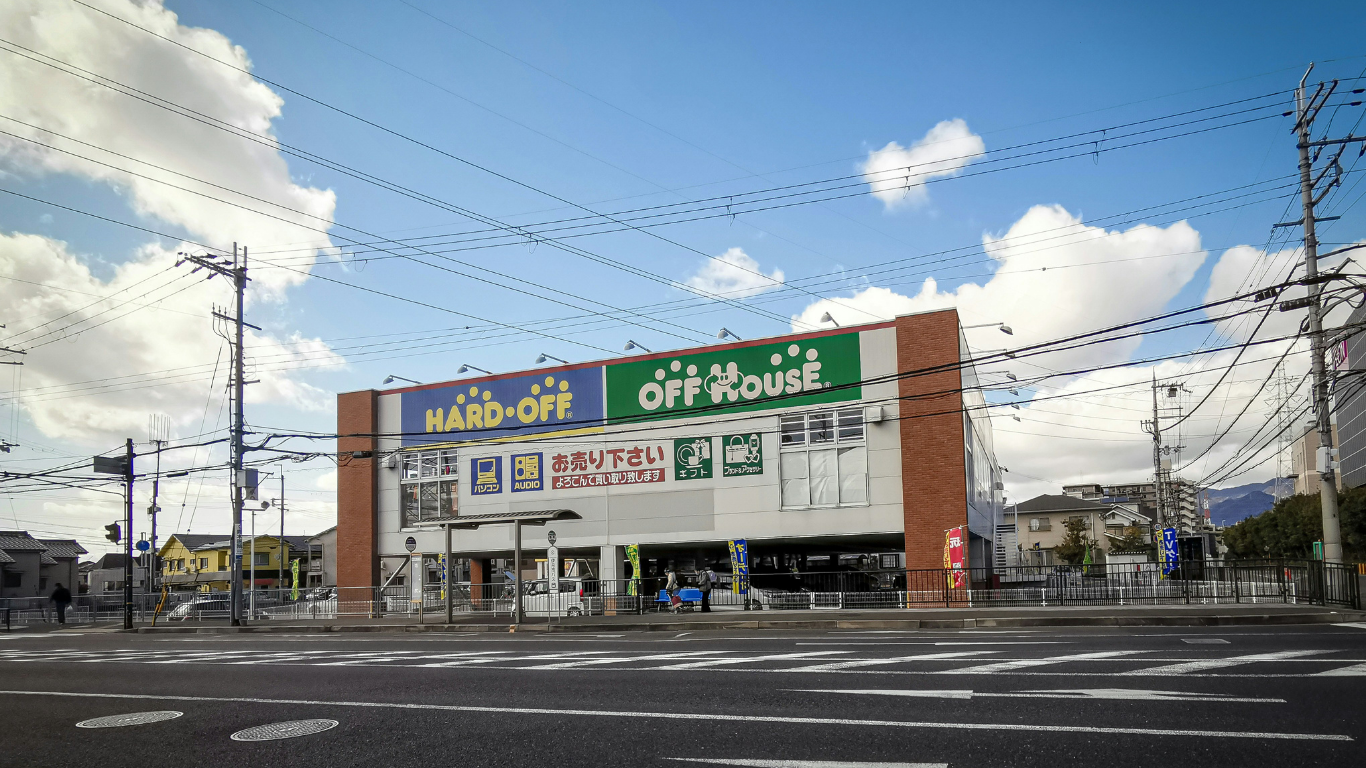
Second-hand Stores in Japan — A Treasure Hunter’s Paradise
Japan has an established second-hand retail market covering books, electronics, cameras, musical equipment, luxury accessories, games, and collectibles. Some products are carefully inspected and well preserved, but condition standards differ by seller and category. Never assume that a used item is automatically close to new.
Chains and their specialties:
- Book Off: Official website.
Known for books, manga, music, games, and, at selected locations, fashion, electronics, and collectibles. - Hard Off: Official website.
Useful for audio equipment, electronics, cameras, vintage gaming systems, accessories, and repair-oriented purchases. - Mandarake: Official website.
Specializes in manga, anime-related goods, figures, collectibles, and items with niche collector demand.
How to evaluate condition:
- 動作確認済み (dōsa kakunin-zumi): Operation has been checked, within the seller’s stated testing scope.
- 未使用 (mishiyō): Unused, although packaging and warranty conditions still need checking.
- ジャンク (janku): Often sold as junk, for parts, with faults, or without normal operation guarantees. Do not assume it works.
- 現状品 (genjōhin): Sold in its present condition; check the specific store’s terms.
- Accessories: Confirm whether chargers, batteries, manuals, boxes, cables, and other components are included.
Important: Shrink-wrap, plastic bags, or display packaging do not prove an item has been tested. Look for the written condition grade and testing notes, and ask staff before buying.
Why it can be worthwhile:
- Discontinued and vintage products may be available after disappearing from ordinary retail shelves.
- Some used luxury accessories, watches, and electronics offer meaningful savings compared with new products.
- Collectors may find Japan-specific game versions, figures, and limited releases.
Extra tip: For more detailed guidance on used and professionally refurbished products in Japan, visit DiscoverRenewed. Condition, inspection, compatibility, and warranty should remain central to any buying decision.
12. Snacks, sweets, and omiyage culture — packable gifts that impress
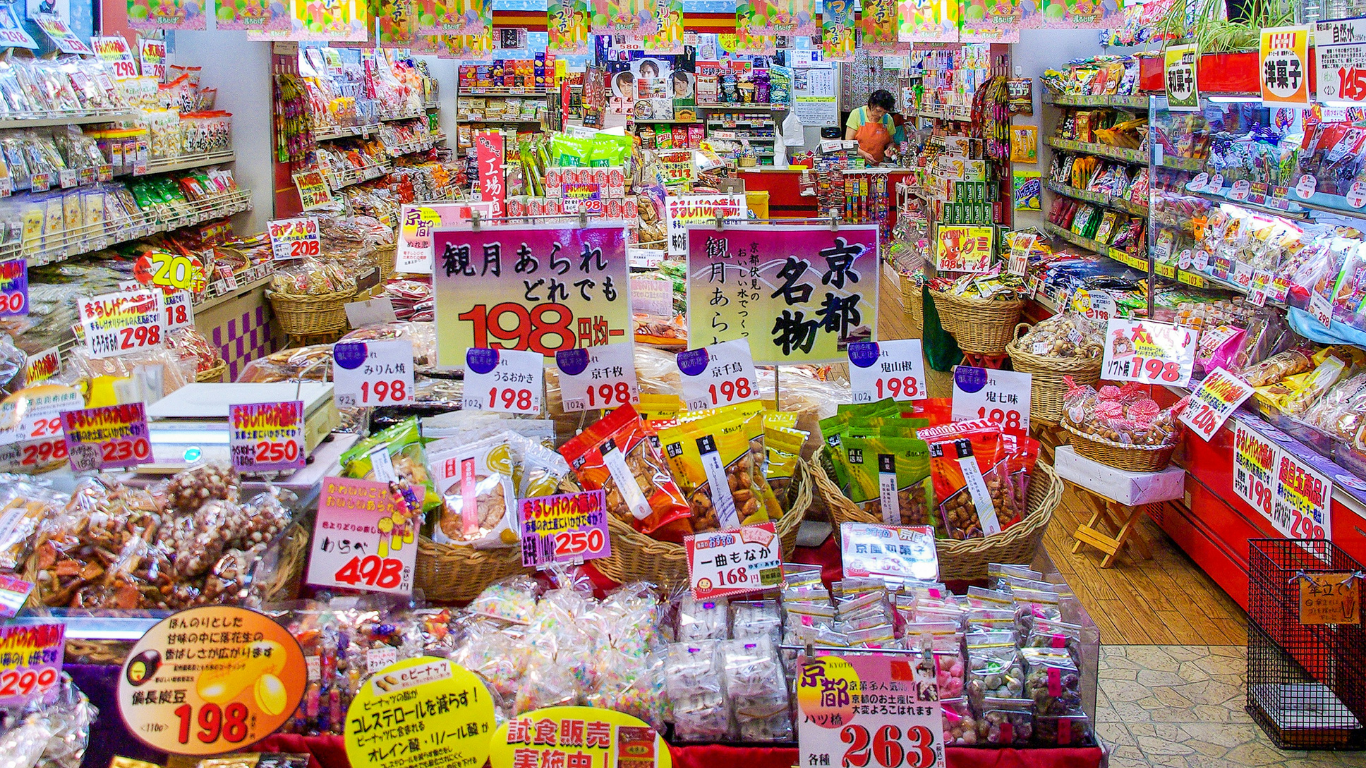
Omiyage — Sweets, Snacks, and Edible Gifts
In Japan, omiyage refers to souvenirs brought back from a journey, often to share with family, friends, or colleagues. Regional sweets are particularly popular because they are easy to distribute and connect the gift to a place.
Popular choices:
- KitKat Japan: Seasonal and region-specific flavors, with availability depending on the year and retailer.
Official website. - Tokyo Banana: Sponge cakes with banana-flavored filling, well known as a Tokyo souvenir.
Official website. - Pocky: Japanese biscuit sticks with seasonal and special-edition variations.
Official website.
Also read: The Pocky Hunt: A Guide to Japan’s Limited-Edition Flavors. - Japanese caramels: Morinaga and other manufacturers offer traditional and contemporary varieties. Check each product’s packaging and ingredients rather than assuming the inner wrapper is edible.
Morinaga. - Fruit jellies and yōkan: Traditional yōkan is a sweet bean jelly, while fruit jellies are a different category often sold as regional gifts.
- Arare: Bite-sized rice crackers, sometimes flavored with soy sauce or seaweed.
- Otsumami: Savory snacks such as dried seafood, nuts, and seasoned products typically enjoyed with drinks.
- Japanese chocolate: Matcha, strawberry, and seasonal products can make convenient gifts.
Buying tips:
- Compare multipacks and individual boxes on Amazon Japan and in local stores.
- Look for regional selections at major stations, airport gift shops, and specialty retailers.
- Check expiration dates, storage temperatures, and food-import restrictions in your destination country.
- Choose packaging that protects delicate sweets during travel.
13. Outlets, malls, and an outlet day plan (regional picks)
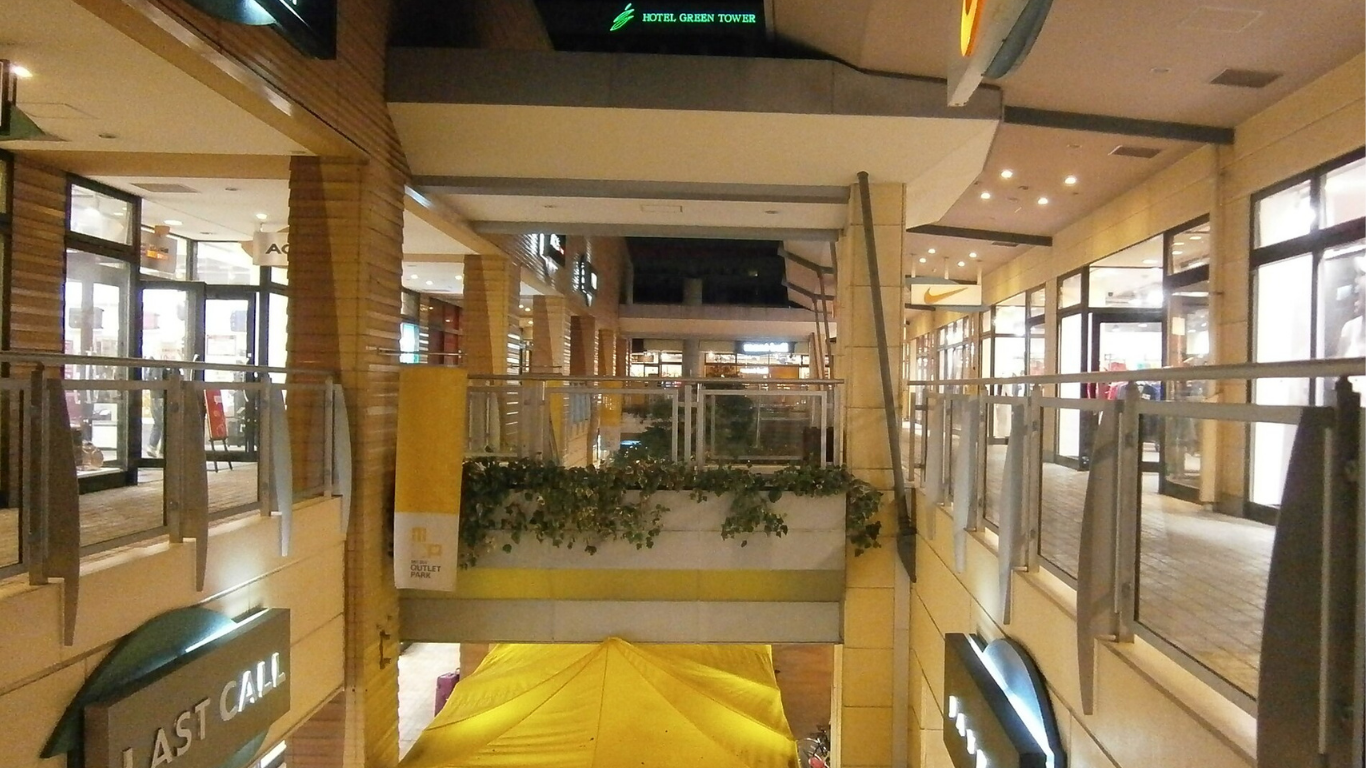
Why Visit Outlets in Japan Instead of Department Stores?
Department stores in Japan are known for their selection and service, while outlet malls provide another way to compare fashion, sportswear, accessories, and earlier-season collections in one location.
Outlet discounts may be substantial during promotions, but not every product is cheaper than at an ordinary retailer. Compare model numbers, original retail prices, and current online offers before purchasing.
Why outlets may be worth visiting:
- Seasonal promotions: Additional discounts may appear during New Year, summer, and special sales.
- Regional choice: Outlets across Japan allow travelers to shop near cities or destinations already included in their itinerary.
- Different inventory: Some stores carry older collections, outlet-specific merchandise, or products no longer available at flagship locations.
- Visitor facilities: Large centers may provide restaurants, multilingual information, lockers, transportation services, or participating tax-free stores.
Major outlet operators:
- Premium Outlets: Locations include Gotemba, Rinku, Shisui, and other regional centers.
Official directory. - Mitsui Outlet Park: Locations include Kisarazu, Okazaki, Makuhari, Osaka Kadoma, Shiga Ryuo, and other centers.
Official directory. - Shisui Premium Outlets: A shopping option in Chiba Prefecture that may be convenient for travelers with sufficient time near Narita. Always calculate airport transfers and flight check-in requirements.
- Okinawa Outlet Mall Ashibinaa: A regional shopping destination near Naha.
Official website.
Four Outlets Worth Considering Along Your Travel Route
The following destinations offer different advantages. Rather than making a long trip solely because an outlet is famous, consider where it fits within your journey, what products you want, and how much shopping time you have available.
Mitsui Outlet Park Okazaki — Aichi / Nagoya
Opened November 4, 2025. Located in Okazaki, Aichi Prefecture, this new shopping destination brings together 180 establishments, including fashion, sportswear, lifestyle shops, and food businesses. Its distinctive OKAZAKI MARKET area combines regional food, open spaces, and places to relax, making it more than a conventional shopping stop.
Best for: Travelers exploring Nagoya, Okazaki, or the wider Aichi region. Access: Approximately a 13-minute walk from Motojuku Station on the Meitetsu line. Check current local transport options before visiting.
Mitsui Outlet Park Okazaki — Official information
Mitsui Outlet Park Kisarazu — Chiba / Tokyo
Expanded in June 2025. With approximately 330 stores following its expansion, Kisarazu offers a broad selection of fashion, sportswear, accessories, and international brands. Its scale makes it suitable for travelers who want to compare several retailers during a dedicated shopping excursion.
Best for: Visitors staying in Tokyo, Yokohama, or the surrounding Tokyo Bay region. Access: Direct bus services may be available from major transport points, including Tokyo Station and Haneda Airport. Check routes and schedules before departure, especially if carrying luggage.
Mitsui Outlet Park Kisarazu — Official information
Gotemba Premium Outlets — Shizuoka / Mount Fuji
Updated with additional brands and store renovations in 2025. Gotemba is a large open-air outlet destination with a broad selection of international and Japanese retailers. On clear days, visitors may enjoy views of Mount Fuji, giving the trip an attraction beyond shopping.
Best for: Travelers already planning to visit Hakone, Gotemba, or the Mount Fuji region. Access: Shuttle services operate from JR Gotemba Station; the ride is approximately 20 minutes, subject to traffic and the current timetable. Check connections carefully if combining the outlet with sightseeing.
Gotemba Premium Outlets — Official information
Rinku Premium Outlets — Osaka / Kansai International Airport
Rinku is an established outlet destination with a large selection of shops and continuing store updates. Its principal advantage for international travelers is its position near Kansai International Airport (KIX), making it an option for shopping near the beginning or end of a journey.
Best for: Travelers arriving in or departing from Kansai who have enough time for an additional shopping stop. Access: Rinku-Town Station is a short train journey from the airport, followed by a walk to the center. Allow extra time for luggage, airport security, check-in, and train connections.
Rinku Premium Outlets — Official information
Another Option in Osaka: Mitsui Outlet Park Osaka Kadoma
Travelers staying in Osaka can also consider Mitsui Outlet Park Osaka Kadoma, a shopping destination integrated with a wider retail complex in Kadoma City. It is a useful option to compare against Rinku when your itinerary is focused on Osaka rather than the airport.
Check the available brands, transportation connections, and current opening hours before deciding which center best fits your trip.
Mitsui Outlet Park Osaka Kadoma — Official information
How to Plan Your Outlet Day
- Morning: Confirm the outlet’s brand directory, opening hours, and transport route. Reserve a bus seat if the service requires it.
- Midday: Visit your priority stores first and compare the actual price and product reference, rather than assuming the outlet label guarantees savings.
- Afternoon: Check luggage space, transport back to your hotel, and any delivery or tax-free services provided by the center.
Travel Intelligence tip: The best outlet is not necessarily the largest. Choose Kisarazu when it fits a Tokyo-based trip; Okazaki for an Aichi itinerary; Gotemba when exploring Hakone or Mount Fuji; and Rinku when traveling through Kansai International Airport. Before visiting, check whether the expected savings justify the cost and time of the journey.
Official references: Mitsui Fudosan — Okazaki opening; Mitsui Fudosan — Kisarazu expansion; Premium Outlets Japan.
14. Regional souvenirs — where to buy local identity
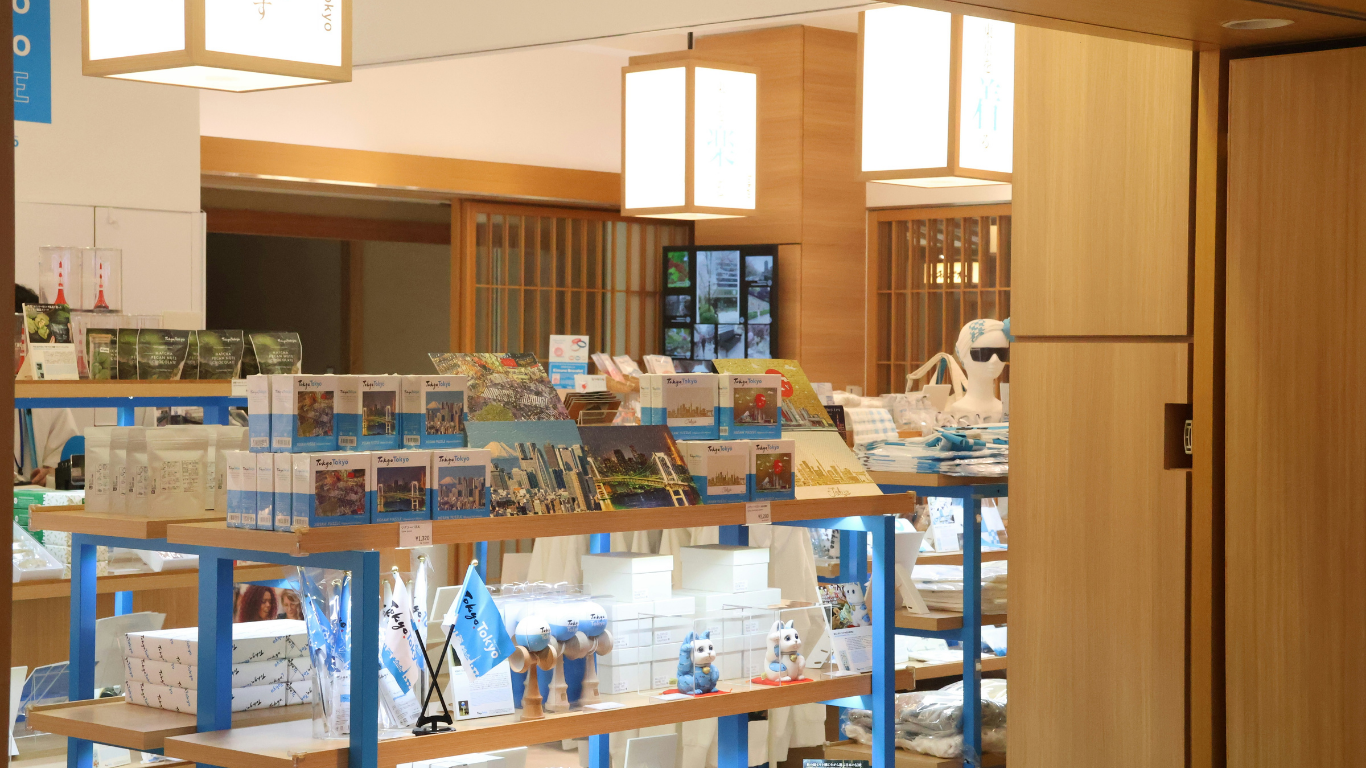
While edible omiyage are designed for sharing, regional souvenirs can reflect the craftsmanship, materials, and history of a particular area. Products associated with local workshops and traditions can be among the most meaningful purchases of a journey.
Why regional souvenirs matter:
- They can support local craftsmanship and traditional production techniques.
- Some products are difficult to find outside their region of origin.
- They connect a purchase with the cultural history of a specific place.
Examples by region:
- Kyoto: Kiyomizu pottery, folding fans (sensu), textiles, and sweets such as yatsuhashi.
- Kanazawa, Ishikawa: Gold-leaf products, lacquerware, and decorative crafts.
- Arita, Saga Prefecture: Porcelain associated with a long regional ceramics tradition.
- Okinawa: Shisa figurines, Ryukyu glass, textiles, and regional specialties.
- Hokkaido: Regional woodcraft, food specialties, and products drawing on local materials and traditions.
Best places to buy:
- Local specialty shops near railway stations, traditional districts, and regional attractions.
- Roadside stations (Michi-no-Eki): Facilities where travelers may find local produce, snacks, crafts, and regional products.
- Craft fairs and local festivals: Opportunities to meet artisans and learn about production techniques directly.
Traveler’s tip: If you find a distinctive locally made product, consider buying it while you are in the region. Some workshops distribute nationally, but others have limited availability. Ask about shipping, packaging, and how to transport fragile items safely.
15. Security, customs, and transport tips (practical closing notes)
Customs & allowances: Check your home country’s rules before buying alcohol, cosmetics, food, high-value accessories, or electronics. Keep receipts and product documentation, since customs authorities may request them.
Packing advice: Liquids and other restricted items may be subject to cabin baggage limits. Fragile bottles and ceramics need protection, while spare lithium batteries and power banks must follow applicable airline rules. Check airline requirements before departure.
Money & payments: Card and cashless payments are widespread in urban shopping areas, but acceptance varies by merchant. International cards can be used at many compatible ATMs, including selected Seven Bank and Japan Post Bank machines. Keep some cash available for smaller shops and regional travel.
Shipping overseas: Consider international delivery services offered by Japan Post or participating couriers when products are too bulky to carry. Domestic hotel or airport delivery services do not necessarily provide international forwarding. Confirm destination restrictions, insurance, shipping costs, and customs declarations.
Domestic transport limits: On certain Tokaido, Sanyo, and Kyushu Shinkansen services, baggage with total dimensions over 160 cm and up to 250 cm requires an appropriate oversized-baggage reservation or designated accommodation. Rules differ by train service. Airlines may apply separate weight and size restrictions.
Smart organization:
- Keep qualifying tax-free goods available for any required customs verification and follow the rules applicable on the purchase date.
- Keep receipts organized and save digital copies where useful.
- Pack products by category and protect fragile or restricted items appropriately.
- Review the customs allowances and food-import rules of your destination country before leaving Japan.
- Passport: Carry the required identification when making qualifying tax-free purchases at participating stores.
- Compare stores: Check prices at Bic Camera, Yodobashi, and Don Quijote.
- Amazon Japan: Confirm hotel package acceptance before ordering through Amazon.co.jp.
- Electronics: Verify model number, voltage, frequency compatibility, language support, and warranty.
- Second-hand: Check condition labels, testing information, accessories, and return terms.
- Sake and whisky: Compare producers and bottlings; check airline and destination-country restrictions.
- Outlets: Choose a center that fits your route and compare the final price before buying.
- Luggage: Confirm transport limits, packing requirements, and any delivery arrangements.
Final Thoughts: Turning Shopping into Strategy
Shopping in Japan is not simply about filling a suitcase. It is an opportunity to discover how regional culture, craftsmanship, product design, and market differences influence what is available and what represents genuine value.
Whether you bring home a carefully selected Japanese watch, regional sweets, a traditional craft, or a well-inspected second-hand camera, the smartest decision comes from understanding the product—not merely its discount label.
Compare prices, plan your route, check product specifications, and allow time for the experiences that make Japan worth visiting. Shopping should complement the journey, not take it over.
Travel planning note: Japan’s tax-free shopping system is scheduled to change from November 1, 2026. Travelers should check the official requirements applicable to their purchase and departure dates.